

alarm clock: Brian Pruitt · on 17 July 2026 · 7 min read · Last reviewed 17 July 2026
An alarm clock is a timekeeping device designed to alert users at a specified time, primarily to awaken them from sleep, though they can also serve as reminders for other tasks.
In plain terms: Think of an alarm clock as your personal wake-up call assistant, much like a stagehand cueing an actor to enter the stage at the right moment.
Key facts
- Alarm clocks can produce sounds, vibrations, or light to alert users.
- Modern digital clocks often include additional features like multiple alarms, snooze options, and smart home integration.
- According to Wikipedia, some advanced models use sensors to detect when a person is in a light stage of sleep to time their alerts.
- The first digital alarm clock was invented in 1966 by George Thorsen.
The evolution of alarm clock sounds and features
Traditional alarm clocks relied on simple buzzers or chimes, but modern digital clocks offer a variety of sounds and features to cater to different preferences and needs. The first time I really looked at the range of options, I was surprised by how much they had evolved beyond the basic beeping sound.
Today, digital alarm clocks can play a variety of sounds, including nature sounds, music, or even custom audio files. Some models also offer vibration or light-based alerts, which can be particularly useful for heavy sleepers or those who prefer a gentler wake-up.
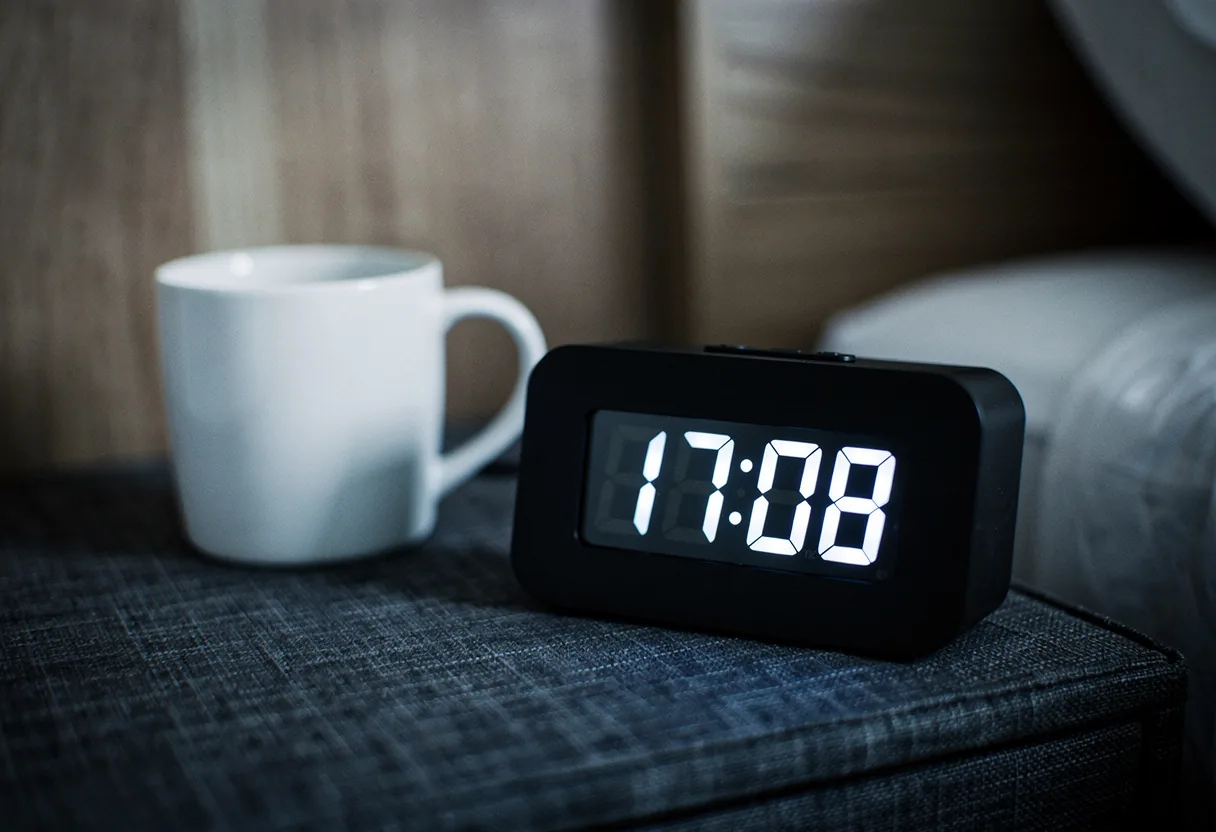
Sound effects in modern digital clocks
Sound effects in modern digital clocks go beyond the traditional buzzer, offering a range of options to suit different tastes. These can include bird songs, ocean waves, rainforest sounds, or even white noise.
Sound meanings and personalization
In the context of alarm clocks, sounds can have different meanings. For instance, a gentle sound might indicate a wake-up call, while a more urgent sound could signify an important reminder. Personalization is key here, as the right sound can make a significant difference in how effectively the alarm wakes you up.
Finding sounds on your device
Where do I find sounds on my iPhone? You can find sounds on your iPhone by going to Settings > Sounds & Haptics. Here, you can customize ringtones, text tones, and alert tones. For alarm sounds specifically, go to the Clock app, tap on the alarm you want to edit, and then choose a sound from the list provided.
Types of sounds
What are the 4 types of sounds? While there are many types of sounds, four common categories include natural sounds (like birds or waves), mechanical sounds (like a traditional alarm clock buzzer), musical sounds (like a song or melody), and synthetic sounds (like digital beeps or chimes).
Accessing and storing sounds
Digital alarm clocks can store and access information on a device, allowing users to select from a variety of sounds. Some models even use limited data to select advertising or create profiles for personalized advertising and content. This can include measuring advertising performance to tailor the user experience.
Choosing a soundboard
When choosing a soundboard for your digital alarm clock, consider factors like sound quality, variety, and ease of use. Look for models that offer a wide range of sounds and allow for easy customization. Additionally, consider whether the soundboard integrates with other smart home devices for added convenience.
Top digital alarm clocks with soundboards
Here are some top digital alarm clocks with soundboards that offer a variety of features and sound options:
| Model | Features | Sound Options | Additional Benefits |
|---|---|---|---|
| Lemnos Digital Alarm Clock | Dual alarms, snooze, dimmable display | 7 natural sounds, radio | USB port for charging devices |
| Sony ICFC1PJ | Dual alarms, snooze, dimmable display | 10 different sounds, radio | USB port for charging devices |
| Philips Wake-Up Light | Sunrise simulation, sunset simulation, multiple alarms | 5 natural sounds, FM radio | Gradual wake-up light, tap touch interface |
Lemnos Digital Alarm Clock: Best for simplicity and affordability
The Lemnos Digital Alarm Clock is a popular choice for those seeking a simple and affordable option. It offers dual alarms, a snooze function, and a dimmable display, making it easy to use and customize. The clock comes with seven natural sounds and a radio, providing a variety of options for wake-up alerts.
One real drawback is that it lacks some of the advanced features found in more expensive models, such as smart home integration. However, for those who prioritize simplicity and affordability, the Lemnos Digital Alarm Clock is an excellent choice.
Sony ICFC1PJ: Best for sound quality and variety
The Sony ICFC1PJ is known for its high-quality sound and variety of options. It features dual alarms, a snooze function, and a dimmable display. The clock offers ten different sounds and a radio, ensuring that users can find the perfect wake-up alert.
One potential drawback is that it may be more expensive than other options on the market. However, for those who value sound quality and variety, the Sony ICFC1PJ is a top choice.
Philips Wake-Up Light: Best for gradual wake-up experience
The Philips Wake-Up Light provides a unique wake-up experience with its sunrise simulation and sunset simulation features. It offers multiple alarms, a variety of natural sounds, and an FM radio. The gradual wake-up light and tap touch interface add to its user-friendly design.
The main drawback is its higher price point compared to other models. However, for those who prefer a gradual and gentle wake-up experience, the Philips Wake-Up Light is an excellent investment.
How to choose the best digital alarm clock with a soundboard
To choose the best digital alarm clock with a soundboard, consider the following criteria:
- Sound Quality: Look for clocks that offer high-quality sound options to ensure a pleasant wake-up experience.
- Variety of Sounds: Choose a clock with a wide range of sounds, including natural sounds, music, and synthetic sounds.
- Ease of Use: Opt for models with user-friendly interfaces and easy customization options.
- Additional Features: Consider clocks with additional features like smart home integration, sunrise simulation, and USB ports for charging devices.
- Price: Determine your budget and look for the best features within that range.
For example, if you prioritize sound quality and variety, the Sony ICFC1PJ might be the best choice. If you prefer a gradual wake-up experience, the Philips Wake-Up Light could be more suitable. For those who value simplicity and affordability, the Lemnos Digital Alarm Clock is an excellent option.
Alarm clock features to look for in modern digital clocks
When looking for an alarm clock, consider features like multiple alarms, snooze options, and smart home integration. These features can enhance your overall experience and ensure that you wake up on time.
Additionally, look for clocks with soundboards that offer a variety of sounds and high-quality audio. This can make a significant difference in how effectively the alarm wakes you up and how pleasant the experience is.
Creating personalized alarm sounds
Creating personalized alarm sounds can be a fun and effective way to ensure that you wake up on time. Many digital alarm clocks allow you to upload custom audio files, giving you the flexibility to choose your favorite songs, nature sounds, or even recorded messages.
To create personalized alarm sounds, look for clocks that offer this feature and follow the manufacturer’s instructions for uploading and selecting your custom sounds. This can help you tailor your wake-up experience to your specific preferences and needs.
Measuring advertising performance
Some digital alarm clocks use limited data to select advertising or create profiles for personalized advertising and content. This can include measuring advertising performance to tailor the user experience. While this feature may not be relevant to everyone, it can be useful for those who appreciate personalized content and advertising.
Practical takeaway
When choosing a digital alarm clock with a soundboard, prioritize sound quality, variety, and ease of use. Consider your specific needs and preferences, and look for models that offer the features that matter most to you. By doing so, you can ensure a pleasant and effective wake-up experience every morning.
Frequently asked questions
What’s the difference between analog and digital alarm clocks?
Analog clocks use hour and minute hands to show time, while digital clocks display time as numbers. Digital clocks often offer more features like multiple alarms, snooze options, and backlighting. Analog clocks provide a classic look but lack advanced functionalities.
Why choose a digital alarm clock with a snooze feature?
A snooze feature lets you pause the alarm for a few minutes, usually 5-10, if you need extra sleep. This is useful for those who struggle to wake up immediately. Most digital clocks offer this, but check the snooze duration to ensure it fits your needs.
How do multiple alarms help in daily routines?
Multiple alarms let you set different wake-up times for various days or purposes. For instance, you can set one alarm for workdays and another for weekends. Some clocks even allow repeating alarms at specific intervals, perfect for medication reminders or exercise routines.
What’s the benefit of a backlit display on a digital alarm clock?
A backlit display makes it easier to read the time in the dark without turning on bright lights. This is especially useful if you wake up at night and need to check the time quickly. Look for adjustable brightness settings to avoid glare.
Related Reading
- Clock With Seconds: Precision Timing for Daily Use
- Understanding 2 Minutes Time: Best Practices for Short Intervals
- Smoke Alarm Beep: Testing, Maintenance, and Safety
Part of the Digital Timers & Clocks guide hub.