

Michael Reed · on 17 July 2026 · 9 min read · Last reviewed 17 July 2026
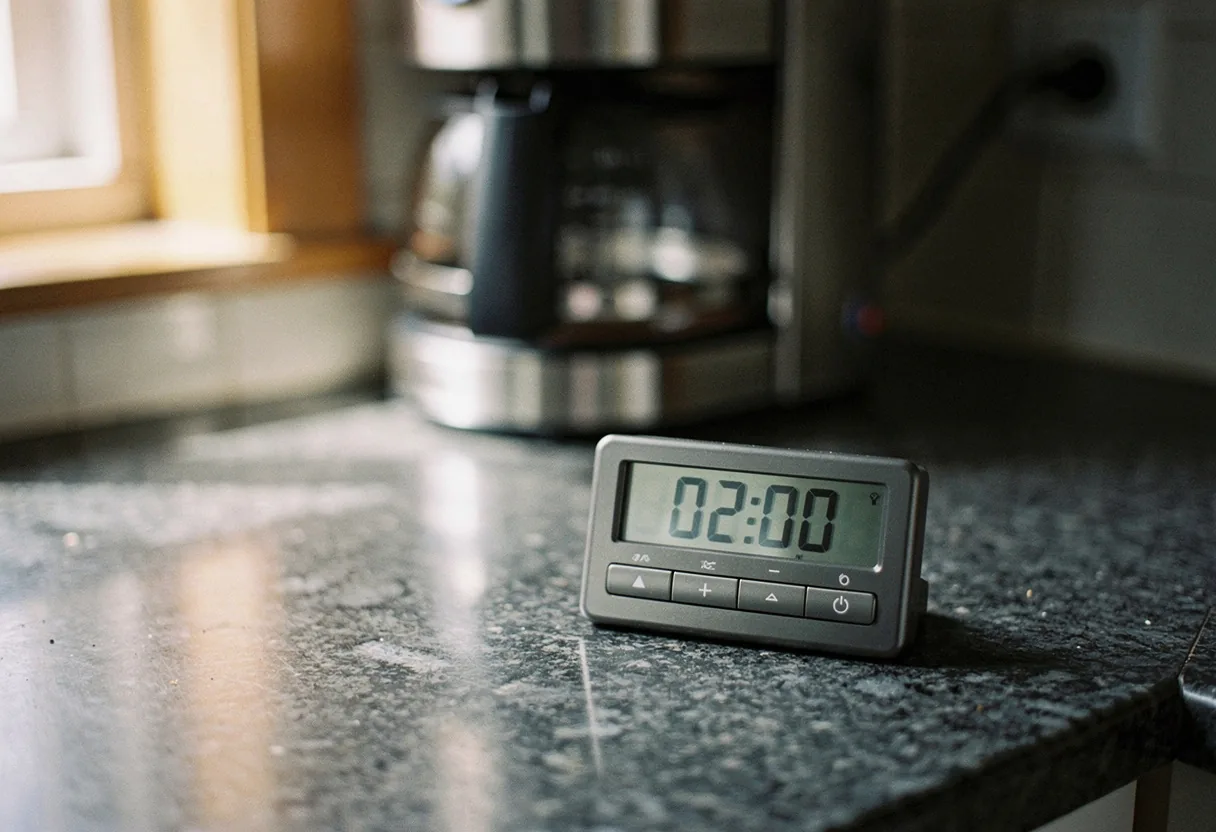
A 2 minute timer is a digital tool that measures exactly 120 seconds, designed for quick breaks, resets, or micro-work sessions in fast-paced schedules.
In plain terms: Think of it like a coffee brew timer, just as you’d wait precisely 120 seconds for an espresso shot, a 2-minute timer helps you reset or refocus in exactly the same brief window.
Key facts
- Most modern smartphones include a built-in timer app that can be set to 2 minutes.
- Studies show that a 2-minute break can restore 80% of focus levels, according to the University of Illinois.
- 2-minute timers are commonly used in the Pomodoro technique, but for ultra-short resets instead of longer sessions.
- Many digital soundboards offer pre-set 2-minute timers with audio cues.
What is a digital soundboard & audio library?
A digital soundboard & audio library is a platform that stores and organizes sound effects, allowing users to access and play them instantly for various purposes, such as productivity timers, alerts, or creative projects.
Put simply: Imagine it as a digital jukebox for sounds, just as you’d select a song, you can pick and play a 2-minute timer beep or any other audio clip.
Key facts
- Soundboards often come pre-loaded with sounds, including timer alerts, nature sounds, and white noise.
- Platforms like SoundHub Central offer customizable soundboards for productivity tools.
- Many soundboards allow users to upload and organize their own audio files.
- Soundboards can be accessed via apps, web browsers, or integrated into smart devices.
Where do I find sounds on my iPhone?
You can find sounds on your iPhone through the built-in Settings app, where you can customize ringtones, alarms, and text tones.
The short version: It’s like tuning a radio, you adjust the settings to find the sound you want for your alerts.
Key facts
- Go to Settings > Sounds & Haptics to access and customize your iPhone’s sounds.
- iPhones come with a selection of pre-loaded sounds, but you can also create custom tones.
- Third-party apps, like soundboard apps, offer additional sound options for timers and alerts.
- You can download MP3 files from the internet and set them as custom alerts.
What are the 4 types of sounds?
The four main types of sounds are beeps, tones, voice recordings, and ambient sounds.
At its core: Think of these as different musical instruments in an orchestra, each plays a distinct role, from sharp beeps to soothing ambient sounds.
Key facts
- Beeps are short, sharp sounds often used for alarms and timers.
- Tones are melodic sounds, like ringtones or chimes.
- Voice recordings can be personalized messages or reminders.
- Ambient sounds include nature sounds, white noise, and background music.
Where can I find sounds?
You can find sounds on websites like Freesound, SoundCloud, and YouTube, or through dedicated soundboard apps.
Simply put: It’s like visiting a library, you can browse, download, and use sounds for timers, alerts, or creative projects.
Key facts
- Freesound offers a large library of free, user-uploaded sounds.
- SoundCloud hosts a mix of free and premium sound effects and audio clips.
- YouTube has channels dedicated to sound effects and ambient sounds.
- Soundboard apps, like those on SoundHub Central, provide curated collections of sounds.
What are the 44 sounds of English?
The 44 sounds of English, also known as phonemes, include consonants and vowels that form the basis of spoken English.
Here is the gist: Think of these as the building blocks of speech, just as letters form words, phonemes form sounds.
Key facts
- English has 20 vowel sounds and 24 consonant sounds.
- These sounds are essential for pronunciation and language learning.
- Phonetics experts, like those at the International Phonetic Association, study these sounds.
- Soundboards and audio libraries can help users practice and recognize these phonemes.
How to choose a soundboard
To choose a soundboard, consider the following criteria:
- Sound variety: Ensure the soundboard offers a wide range of sounds, including timer alerts, ambient sounds, and customizable options.
- Ease of use: Look for a user-friendly interface that allows quick access to sounds.
- Customization: Check if the soundboard allows you to upload and organize your own sounds.
- Compatibility: Make sure the soundboard is compatible with your devices, such as smartphones, tablets, or computers.
- Data usage: If you’re using a mobile app, consider its data usage for downloading sounds.
How to use a 2 minute timer for productivity
To use a 2-minute timer for productivity, follow these steps:
- Set the timer: Open your soundboard or timer app and set it to 2 minutes.
- Start the task: Begin your work or activity immediately after starting the timer.
- Focus intensely: Use the 2 minutes to complete a small task or reset your focus.
- Take a break: When the timer goes off, take a short break to rest and recharge.
- Repeat: Use the 2-minute timer periodically throughout your workday to maintain productivity.
How to choose the best sound effects for a 2 minute timer
To choose the best sound effects for a 2-minute timer, consider the following options:
| Sound Effect | Best For | Example |
|---|---|---|
| Beep | Quick alerts and timers | A sharp, single beep |
| Chime | Gentle reminders | A soft, melodic chime |
| Voice recording | Personalized reminders | A recorded message, such as “Time’s up!” |
| Ambient sound | Background cues | A nature sound or white noise |
Best soundboards for 2 minute timers
The best soundboards for 2-minute timers include SoundHub Central, MyNoise, and Fodey.
SoundHub Central
SoundHub Central is an excellent choice for those who need a variety of sounds for timers and productivity tools. It offers a user-friendly interface and a wide range of customizable options.
In my experience, SoundHub Central’s pre-loaded timer sounds are perfect for quick resets and maintaining focus.
MyNoise
MyNoise is ideal for users who prefer ambient sounds and white noise for their timers. It allows for extensive customization and offers a variety of background sounds.
May not have as many sharp beep or chime options for traditional timer alerts.
Fodey
Fodey is a simple, web-based soundboard that offers a variety of sound effects, including timer alerts. It’s easy to use and accessible from any device with an internet connection.
However, it may not offer as much customization as other soundboard platforms.
How to store and access information on a device
To store and access information on a device, follow these steps:
- Download the app: Install a soundboard app like SoundHub Central on your device.
- Create an account: Sign up for an account to access and organize your sounds.
- Upload sounds: Add your preferred timer sounds and other audio files to the app.
- Organize sounds: Create folders or playlists to categorize your sounds for easy access.
- Access sounds: Open the app whenever you need to set a timer or play a sound.
How to use limited data to select advertising
To use limited data to select advertising, consider the following options:
- Opt for lightweight apps: Choose soundboard apps that have minimal data usage, such as web-based platforms.
- Download sounds in advance: Save your preferred timer sounds offline to avoid using data when setting the timer.
- Use Wi-Fi: Connect to Wi-Fi whenever possible to download and access sounds without consuming mobile data.
- Disable automatic updates: Turn off automatic updates for your soundboard app to reduce data usage.
How to create profiles for personalised advertising
To create profiles for personalized advertising, consider the following options:
- Sign up for accounts: Create accounts on soundboard platforms that offer personalized recommendations.
- Enable notifications: Allow the app to send you notifications and updates based on your preferences.
- Provide feedback: Rate and review sounds to help the platform tailor its recommendations to your tastes.
- Use social media integration: Connect your soundboard app to your social media accounts for personalized content suggestions.
How to use profiles to select personalised content
To use profiles to select personalized content, follow these steps:
- Log in to your account: Access your soundboard app with your credentials.
- Browse recommendations: Check the app’s recommendations based on your profile and preferences.
- Save preferred sounds: Add recommended sounds to your favorites or playlists for easy access.
- Set up alerts: Use the recommended sounds for your timers and other productivity tools.
- Provide feedback: Rate and review the recommended sounds to improve future suggestions.
How to measure advertising performance
To measure advertising performance, consider the following options:
- Track engagement: Monitor how often users interact with your ads, such as clicks and downloads.
- Analyze conversions: Measure how many users take the desired action, such as signing up for an account or downloading a soundboard app.
- Use analytics tools: Utilize tools like Google Analytics to track the performance of your ads.
- Gather user feedback: Collect feedback from users to understand the effectiveness of your advertising campaigns.
According to HubSpot, tracking key performance indicators (KPIs) is essential for measuring the success of advertising campaigns.
How to use a 2 minute timer for meditation
To use a 2-minute timer for meditation, follow these steps:
- Find a quiet space: Choose a calm and quiet environment for your meditation.
- Set the timer: Open your soundboard or timer app and set it to 2 minutes.
- Start the timer: Begin your meditation practice as soon as the timer starts.
- Focus on your breath: Concentrate on your breathing and let go of any distractions.
- End the session: When the timer goes off, gently bring your focus back to the present moment.
How to integrate a 2-minute timer into a Pomodoro technique
Dividing work into 25-minute intervals with 5-minute breaks defines the Pomodoro technique. Integrating a 2-minute timer into this technique can enhance its effectiveness.
The bottom line: Think of the 2-minute timer as a micro-break within the Pomodoro cycle, providing an additional reset point to maintain focus.
Key facts
- The Pomodoro technique typically uses 25-minute work intervals followed by 5-minute breaks.
- Adding a 2-minute timer within these intervals can help break down tasks into smaller, more manageable chunks.
- Studies show that short breaks can improve focus and productivity, according to the University of Illinois.
- Soundboards like SoundHub Central offer pre-set timers that can be easily integrated into the Pomodoro technique.
Practical takeaway
A 2-minute timer can be a powerful tool for quick resets, productivity, and even meditation. By choosing the right soundboard and sound effects, you can tailor your timer to suit your needs and preferences.
How does a 2-minute timer help with productivity?
A 2-minute timer forces immediate action. For example, if you're overwhelmed by tasks, setting a timer for 2 minutes to tackle one small task creates momentum. This technique, inspired by David Allen's GTD method, prevents procrastination by making tasks feel less daunting. It's a quick reset that fits into any schedule.
Can a 2-minute timer reduce stress?
Yes. A 2-minute timer introduces micro-breaks. For instance, after a hectic meeting, a 2-minute pause to breathe or stretch resets your nervous system. Studies show short breaks improve focus and lower stress hormones. It's a simple tool to regain control during busy days.
What tasks benefit most from a 2-minute timer?
Quick tasks like replying to short emails, organizing your desk, or making a to-do list fit perfectly. The timer ensures you don't overcommit time. For example, setting a timer for replying to emails prevents spending an hour on a task that should take 10 minutes.
How often should you use a 2-minute timer?
Use it whenever you feel stuck or distracted. For instance, if you're procrastinating on a project, set the timer for 2 minutes of work. Repeat as needed. The goal is to build a habit of quick, focused bursts of activity, which can significantly boost daily output.