
Brian Pruitt · on 17 July 2026 · 6 min read · Last reviewed 17 July 2026
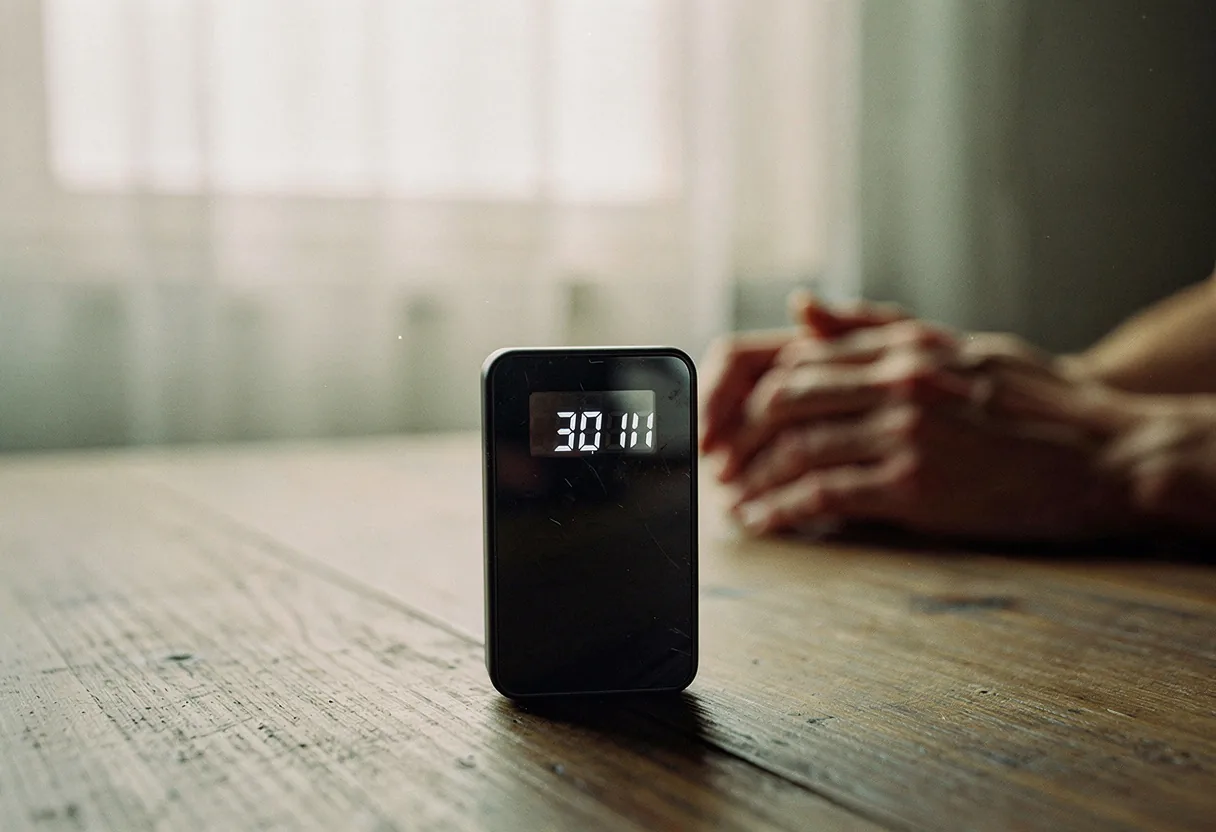
A timer thirty minutes is a digital or analog device designed to measure and signal the passage of exactly 30 minutes, widely used for productivity techniques like the Pomodoro method or managing short tasks.
In plain terms: Think of a 30-minute timer as a built-in break reminder, like a coffee pot that automatically switches off after brewing, it ensures you pause at the right moment without constant checking.
Key facts
- Digital timers often include features like preset intervals, alarms, and customizable sounds.
- Analog timers, such as kitchen timers, are simple and rely on mechanical gears or sand.
- According to a study by the University of Illinois, timed breaks can improve focus and productivity by up to 20 percent.
- Modern digital timers can sync with apps for cross-device use, such as Pomodone for desktop and mobile.
30 Minute Timer: Where do I find sounds on my iPhone?
To find sounds on your iPhone, navigate to Settings > Sounds & Haptics, where you can customize ringtones, alerts, and text tones. Additionally, the built-in Voice Memos app or third-party soundboard apps like MyNoise can store and play custom audio files.
Put simply: It’s like organizing a playlist, your iPhone lets you pick from pre-loaded sounds or add your own for alerts, much like choosing different ringtones for contacts.
Key facts
- The iPhone’s Sound & Haptics menu includes default tones and options to purchase more from the iTunes Store.
- Voice Memos can record and save custom sounds directly on your device.
- Third-party apps offer extensive sound libraries, including nature sounds, white noise, and alarm tones.
- According to Apple Support, custom sounds must be in M4R format for ringtones and MP3 for general use.
What are the 4 types of sounds?
The four primary types of sounds are vocalic, consonantal, syllabic, and suprasegmental. Vocalic sounds include vowels and diphthongs, while consonantal sounds are consonants like /p/ or /s/. Syllabic sounds form the nucleus of syllables, and suprasegmental sounds involve elements like stress and intonation.
The short version: Imagine the ingredients in a recipe, vocalic sounds are like flour and sugar (essential base elements), while suprasegmental sounds are the spices that add flavor and nuance.
Key facts
- Vocalic sounds are produced without significant obstruction in the vocal tract.
- Consonantal sounds involve airflow restriction, such as /t/ or /k/.
- Syllabic sounds can stand alone as syllables, like the “l” in “bottle.”
- Suprasegmental sounds affect how words and sentences are perceived, such as the rising intonation at the end of a question.
What are the 44 sounds of English?
The 44 sounds of English are categorized into vowels, diphthongs, and consonants. Vowels include long and short sounds like /iː/ (as in “see”) and /ɪ/ (as in “sit”). Diphthongs combine two vowel sounds, such as /eɪ/ (as in “day”). Consonants include sounds like /b/, /t/, and /s/, and are further divided into voiced and voiceless types.
At its core: Think of these sounds as the building blocks of speech, like LEGO pieces that can be combined in countless ways to create sentences, just as LEGO bricks form different structures.
Key facts
- English has 20 vowel sounds, including monophthongs and diphthongs.
- There are 24 consonant sounds in English, such as /θ/ (as in “think”) and /ʒ/ (as in “mirage”).
- According to the International Phonetic Alphabet (IPA), these sounds are standardized for linguistic study.
- Learning these sounds is foundational for language learning, pronunciation, and speech therapy.
Sounds effects
Sound effects enhance audio experiences by adding layers of realism or creativity. In media, they range from explosions in films to ambient noise in video games. For timers, sound effects can include chimes, beeps, or nature sounds to signal time completion.
Simply put: Sound effects are like the seasoning in a dish, they don’t change the main ingredients but significantly improve the overall experience, whether in a movie or a productivity tool.
Key facts
- Sound effects are widely used in film, gaming, and digital applications to create immersion.
- Timers often include customizable sound effects to suit user preferences.
- According to the Audio Engineering Society, sound design is crucial for user engagement and satisfaction.
- Popular sound effects for timers include soft chimes, alarm beeps, and calming nature sounds.
Sounds meaning
Sounds convey meaning through phonetics, semantics, and context. Phonetics refers to how sounds are produced and perceived, while semantics relates to the meaning they carry in language. Context, such as tone and setting, further influences interpretation.
Here is the gist: Sounds are like words in a language, each has its own definition, but how and where you use them changes their impact, much like how “run” can mean to move quickly or a type of clothing.
Key facts
- Phonetics studies the physical properties of speech sounds.
- Semantics examines how sounds and words convey meaning.
- Context, such as tone of voice or background noise, can alter the perceived meaning of sounds.
- Understanding sound meaning is essential for effective communication and language learning.
Choose a soundboard
When choosing a soundboard, consider sound quality, customization options, and ease of use. Look for apps that offer high-fidelity audio, the ability to upload custom sounds, and intuitive interfaces.
The bottom line: Choosing a soundboard is like selecting a toolbox, you want one with the right tools (high-quality sounds), the ability to add your own (customization), and easy access when you need it (user-friendly design).
Key facts
- High-quality soundboards use lossless audio formats for clarity.
- Customization options allow users to upload and organize their own sounds.
- User-friendly interfaces ensure easy navigation and quick access to sounds.
- Popular soundboard apps include MyNoise and SoundHound for diverse audio libraries.
How to choose
To choose the best timer thirty minutes for your needs, consider the following criteria:
- Purpose: Determine if you need it for work, exercise, or cooking.
- Features: Look for preset intervals, customizable alarms, and sound options.
- Portability: Choose between physical timers or digital apps for on-the-go use.
- Ease of use: Prioritize intuitive interfaces and clear displays.
- Budget: Balance cost with desired features and reliability.
In my experience, a well-rounded timer like the Time Timer combines visual and auditory cues, making it ideal for productivity and time management.
| Timer Type | Key Features | Best For | Drawback |
|---|---|---|---|
| Digital Timer Apps | Customizable intervals, multiple alarms, sync across devices | People who need flexibility and multi-device use | Requires a smartphone or tablet |
| Analog Kitchen Timers | Simple, durable, loud alarm | Cooking and straightforward timing needs | Limited customization and portability |
| Smart Speakers with Timers | Voice-activated, integrates with smart home systems | Tech-savvy users with smart home setups | Higher initial cost and setup complexity |
Selecting the right timer thirty minutes depends on your specific needs and preferences. Whether you opt for a digital app, an analog timer, or a smart speaker, ensure it aligns with your daily routines and productivity goals.
What is the Pomodoro Technique and how does a 30-minute timer fit in?
Using timed intervals, the Pomodoro Technique boosts productivity. Traditionally, it's 25 minutes of work and 5-minute breaks, but a 30-minute timer adapts this for longer tasks. Split it into 25-minute work and 5-minute break, or 20 and 10. The key is to keep sessions short and focused.
Can a 30-minute timer improve focus for quick tasks?
Absolutely. Quick tasks often suffer from procrastination or distractions. A 30-minute timer creates urgency, ensuring you start and finish tasks efficiently. It's perfect for emails, light housework, or brainstorming sessions. The time constraint forces concentration and prevents overworking.
How does a 30-minute timer compare to traditional time management methods?
Unlike methods like time blocking, which can feel rigid, a 30-minute timer offers flexibility. It’s ideal for tasks that don’t fit neatly into hour-long blocks. Studies show shorter bursts of focused work increase efficiency. For example, students using 30-minute study sessions often retain more information than those cramming for hours.
What are some practical uses for a 30-minute timer beyond work?
A 30-minute timer is great for fitness, like a quick HIIT workout or yoga session. Cooking also benefits, use it to prep ingredients or monitor dishes. Even relaxation fits; try a 30-minute meditation or reading session. The timer ensures you dedicate time without overcommitting.