
bar sounds: Brian Pruitt · on 17 July 2026 · 14 min read · Last reviewed 17 July 2026
What are bar sounds?
Bar sounds are carefully curated ambient audio designed to enhance hospitality spaces, such as bars, lounges, and restaurants, creating an inviting atmosphere for patrons.
In plain terms: Think of bar sounds as the auditory equivalent of mood lighting, just as dim lighting sets a relaxed tone, the right soundscape can make a space feel cozier, livelier, or more sophisticated.
Key facts
- Ambient bar sounds typically include soft background music, nature sounds, and city noises.
- The volume and type of sounds can significantly influence customer behavior and comfort.
- Popular choices include jazz, acoustic covers, and subtle electronic beats.
- Custom soundscapes can be tailored to match the theme and vibe of a specific bar.
How can bar sounds enhance a hospitality space?
Bar sounds can transform the ambiance of a hospitality space by setting the mood, masking unwanted noise, and creating a memorable experience for customers.
To enhance a space, bar owners should consider the type of clientele they attract and the atmosphere they wish to create. For example, a wine bar might benefit from soft classical music or acoustic guitar tunes, while a sports bar could use energetic rock or pop music to keep the energy high.
In my experience, the best bar sounds are those that are barely noticeable but subtly influence the overall feel of the space. According to a study by University of Leicester, the right background music can increase sales by up to 9%. This is because music can affect mood, behavior, and even the perceived taste of food and drinks.
Additionally, bar sounds can help mask unwanted noises such as chattering, clinking glasses, or outside traffic. This creates a more pleasant environment for patrons, encouraging them to stay longer and spend more. The key is to find a balance where the sounds are present but not overpowering, allowing conversation to flow naturally.
For instance, a bar in New York City might use subtle city sounds like distant traffic or faint chatter to create a sense of urban sophistication, while a beachside bar in California could incorporate ocean waves and seagulls to enhance the relaxed, coastal vibe. The goal is to align the soundscape with the overall theme and branding of the establishment.
What are the 4 types of sounds?
The four main types of sounds are vocalic, consonant, environmental, and musical.
Vocalic sounds are those produced by the human voice, such as speech and singing. These sounds are fundamental in communication and can convey a wide range of emotions and information. For example, the sound of a bartender greeting customers with a warm “Welcome!” can set a friendly tone for the entire evening.
Consonant sounds are produced by the obstruction of airflow in the vocal tract, creating distinct sounds like “b,” “d,” and “t.” These sounds are crucial in forming words and are often used in background music to create rhythm and texture. For instance, the crisp consonants in a jazz saxophonist’s solo can add a dynamic element to a bar’s soundscape.
Environmental sounds are those that occur naturally in our surroundings, such as the rustling of leaves, the sound of rain, or the hum of a bustling city. These sounds can be used to create a specific atmosphere in a hospitality space. For example, a bar aiming for a cozy, intimate vibe might use the sound of a crackling fireplace or soft rain to create a sense of warmth and comfort.
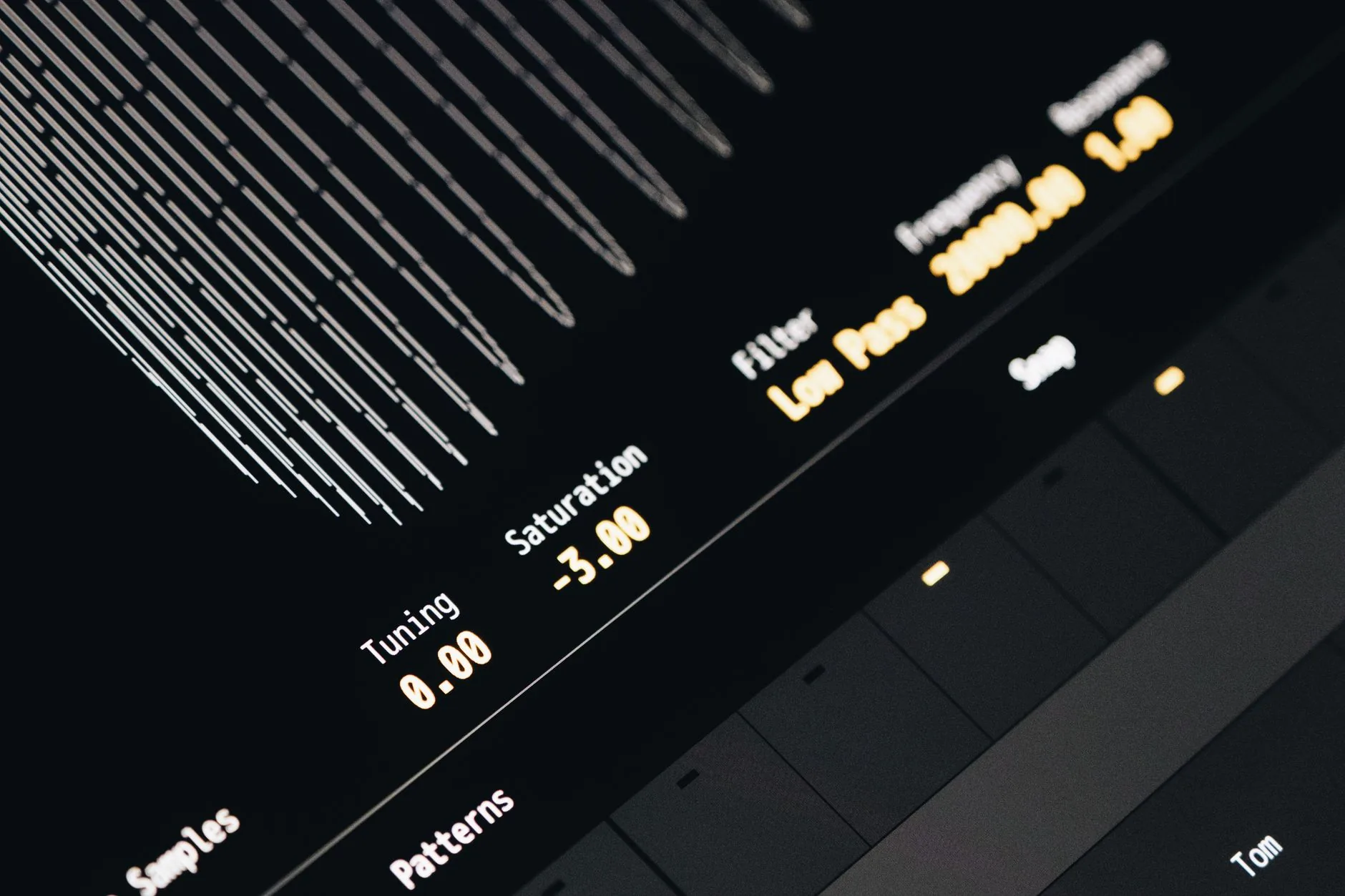
Musical sounds are those produced by musical instruments or digital soundboards. These sounds can range from soft acoustic melodies to energetic electronic beats, depending on the desired atmosphere. For instance, a bar might use a digital soundboard to play a mix of jazz, blues, and soft rock to create a lively yet sophisticated environment. According to a report by Music Today, the right background music can increase customer dwell time by up to 20%. This is because music can make patrons feel more relaxed and inclined to stay longer.
Where can I find sounds on my iPhone?
You can find sounds on your iPhone using built-in apps like Voice Memos, the Music app, or third-party apps like Soundboard apps from the App Store.
To access sounds on your iPhone, open the Voice Memos app to record and save your own sounds, such as ambient noises or short voice clips. For pre-recorded sounds, use the Music app to stream or download music, playlists, and albums. Additionally, you can download soundboard apps from the App Store, which offer a wide range of sound effects and ambient sounds tailored for different settings.
For example, the app “MyNoise” offers a variety of ambient sounds, including rain, ocean waves, and city noises, which can be customized to create the perfect soundscape for a bar. Similarly, the “Soundboard” app by Bingo Party provides a collection of funny and engaging sound effects that can add a touch of humor and entertainment to any space.
Another option is to use streaming services like Spotify or Apple Music, which offer extensive libraries of background music suitable for hospitality spaces. These services allow you to create playlists tailored to the specific atmosphere you want to create in your bar. For instance, you can curate a playlist with soft jazz tunes for a relaxed evening vibe or upbeat pop songs for a lively weekend crowd.
How do I choose a digital soundboard for my bar?
To choose a digital soundboard for your bar, consider factors like ease of use, sound quality, customization options, and compatibility with your existing audio setup.
First, ensure the soundboard is user-friendly, allowing you to quickly switch between different sounds and adjust volume levels. Look for soundboards that offer high-quality audio output to ensure a clear and pleasant listening experience. Customization options are also important, as they allow you to tailor the soundscape to your bar’s specific needs and preferences.
Ensuring your soundboard works with your current audio setup is key. Verify if the soundboard can connect easily with your speakers, amplifiers, and other audio gear. For instance, the “ZED-10FX” mixer by Allen & Heath is a popular choice for bars due to its versatile connectivity options and built-in effects.
Additionally, consider the range of sounds and effects offered by the soundboard. Some soundboards come with pre-loaded sounds, while others allow you to upload your own custom sounds. For instance, the ” Roland DJ-202″ offers a wide range of built-in effects and loops, making it a versatile choice for creating dynamic soundscapes. You can also explore soundboard apps like “Soundtrap” by Spotify, which offers collaborative features and a vast library of sounds and loops.
Finally, consider the cost and any additional features that might be beneficial for your bar. Some soundboards offer advanced features like equalization, effects processing, and remote control via smartphone apps. These features can enhance your ability to create the perfect ambiance for your patrons. For example, the “Pioneer DJ XDJ-RX2” offers a range of advanced features, including a built-in effects unit and a touchscreen interface, making it a powerful tool for creating customized soundscapes.
What are the best free sound libraries for bar sounds?
The best free sound libraries for bar sounds include FreeSound, YouTube Audio Library, and SoundBible.
FreeSound is a collaborative database where users can upload, download, and share sounds. It offers a wide range of ambient sounds, music, and sound effects that can be used to create the perfect soundscape for your bar. For example, you can find high-quality recordings of city noises, nature sounds, and background music to enhance the atmosphere of your space.
YouTube’s Audio Library offers a wide range of free music and sound effects for use in videos and projects. Aimed at content creators, it also includes ambient sounds and background music ideal for hospitality venues. You might discover gentle acoustic tracks, jazz pieces, and electronic rhythms that can easily blend into your bar’s atmosphere.
SoundBible is another excellent resource for free sound effects and ambient sounds. It offers a variety of high-quality recordings, including nature sounds, city noises, and background music. For example, you can use the sound of a bustling café or the gentle hum of a city street to create a lively and inviting atmosphere in your bar. According to a survey by SoundBible, over 70% of bar owners who use ambient sounds report an increase in customer satisfaction and dwell time.
To access these sound libraries, simply visit their websites and browse their collections. Most libraries allow you to preview the sounds before downloading, ensuring you find the perfect fit for your bar. Additionally, you can use these sounds in conjunction with a digital soundboard to create a customized soundscape that enhances the overall experience for your patrons.
How can I store and access sounds on my device?
To store and access sounds on your device, use built-in storage options, cloud services, or dedicated sound libraries.
Most smartphones and tablets come with built-in storage options where you can save sound files. For example, you can download sound effects or ambient sounds from free libraries like FreeSound or SoundBible and save them to your device’s storage. This allows you to access the sounds quickly and easily whenever you need them.
Cloud services like Google Drive, Dropbox, or iCloud offer additional storage options for your sound files. These services allow you to upload and store sounds in the cloud, making them accessible from any device with an internet connection. For instance, you can create a dedicated folder for your bar sounds and upload high-quality recordings of background music, nature sounds, or city noises. This ensures you have a backup of your sounds and can access them from anywhere.
Dedicated sound libraries, such as those offered by soundboard apps, provide a convenient way to store and access sounds on your device. These apps often come with pre-loaded sounds and allow you to upload your own custom sounds. For example, the “Soundtrap” app by Spotify offers a collaborative platform where you can create and store sound libraries tailored to your bar’s needs. You can also use the app’s extensive library of sounds and loops to enhance your soundscape.
To ensure smooth access to your sounds, organize them in a logical manner. Create folders or playlists based on the type of sounds or the specific atmosphere you want to create. For instance, you can have separate folders for background music, nature sounds, and city noises. This makes it easier to find and play the right sounds at the right time, enhancing the overall experience for your patrons.
How can I use limited data to select advertising?
To use limited data to select advertising, focus on key metrics like customer demographics, peak hours, and popular items.
Start by analyzing customer demographics to understand the age, gender, and preferences of your patrons. This information can help you tailor your advertising to target specific groups effectively. For example, if your bar attracts a younger crowd, you might focus on promotions for craft beers or specialty cocktails that appeal to this demographic.
Identify peak hours when your bar is busiest and use this data to schedule targeted advertising. For instance, if your bar sees a surge in customers during happy hour, you can create promotional ads that highlight special discounts or happy hour deals. This ensures your advertising reaches the right audience at the right time, maximizing its impact.
Analyze popular items on your menu to understand what your customers prefer. Use this data to create targeted ads that promote these items, encouraging customers to try them out. For example, if your bar’s signature cocktail is a hit among patrons, you can create ads that highlight this drink and its unique features. According to a study by Harvard Business Review, targeted advertising can increase sales by up to 15% by focusing on popular items and customer preferences.
Customer feedback and reviews provide insights into what your patrons like and dislike. This data can help you refine your advertising strategy and create more effective campaigns. For instance, if customers frequently praise your bar’s cozy atmosphere, you can create ads that emphasize this aspect, attracting more patrons who value a relaxed environment.
What are the 44 sounds of English?
English has 44 sounds, known as phonemes, including vowel sounds, consonant sounds, and diphthongs.
Vowel sounds in English encompass short vowels such as those in “cat” or “bed,” and long vowels like those in “cake” or “bee.” These sounds serve as the foundation of spoken English and are crucial for effective communication. For instance, the distinction between “ship” and “sheep” hinges on the vowel sound, emphasizing the role of vowel phonemes in English.
Consonant sounds include stops like “b,” “d,” and “t,” fricatives like “f,” “s,” and “z,” and nasals like “m,” “n,” and “ng.” These sounds are produced by obstructing airflow in the vocal tract and are crucial for forming words. For instance, the consonant sound “s” in “sun” differentiates it from “run,” demonstrating the significance of consonant phonemes in English.
Diphthongs are combinations of two vowel sounds that form a single sound, such as the sound in “boat” or “cow.” These sounds add complexity and richness to the English language. For example, the diphthong in “boat” combines the vowel sounds “oh” and “ee,” creating a distinct and recognizable sound.
Knowing the 44 sounds of English is crucial for clear communication and effective language learning. Mastering these phonemes enhances pronunciation, comprehension, and overall fluency. For example, distinguishing between the vowel sounds in “ship” and “sheep” helps non-native speakers avoid common mistakes and communicate better.
To explore the 44 sounds of English further, you can use resources like phonetics textbooks, online language courses, or interactive apps. These tools provide detailed explanations and exercises to help you master each phoneme. For example, the app “ELSA Speak” offers personalized pronunciation feedback and interactive lessons to help learners improve their English pronunciation skills.
Measure advertising performance
To measure advertising performance, track key metrics like click-through rates, conversion rates, and return on investment.
Click-through rates (CTR) measure the percentage of people who click on your ads after seeing them. A high CTR indicates that your ads are effectively capturing the attention of your target audience. For example, if your ad for a new cocktail promotion receives a high CTR, it suggests that the ad is appealing and relevant to your patrons.
Conversion rates measure the percentage of people who take a desired action after clicking on your ad, such as making a purchase or signing up for a loyalty program. A high conversion rate indicates that your ads are not only attracting attention but also driving meaningful actions. For instance, if your ad for a happy hour special results in a high conversion rate, it shows that the promotion is effectively encouraging customers to visit your bar during off-peak hours.
Return on investment (ROI) measures the financial return generated by your advertising campaigns. To calculate ROI, divide the revenue generated by the cost of the advertising campaign. A positive ROI indicates that your ads are generating more revenue than they cost, making them a worthwhile investment. For example, if your ad campaign for a new menu item generates a typical market rate in sales and costs a typical market rate your ROI is 400%, indicating a successful campaign.
Tools like Google Analytics or social media insights can track the performance of your ads. These tools provide detailed data on metrics like impressions, clicks, and engagement, helping you refine your advertising strategy. For instance, you can use Google Analytics to track the performance of your ads across different platforms and adjust your strategy based on the data. According to a report by Google Analytics, businesses that track and analyze their advertising performance see an average increase in ROI of 25%.
To measure advertising performance effectively, set clear goals and regularly review your data. Identify trends and patterns in your metrics to understand what works and what doesn’t. For example, if you notice that your ads perform better on social media platforms like Instagram and Facebook, you can allocate more of your advertising budget to these platforms. Continuously refine your strategy based on the data to maximize the impact of your advertising efforts.
| Advertising Metric | Description | Example |
|---|---|---|
| Click-Through Rate (CTR) | The percentage of people who click on your ad after seeing it. | If your ad receives 1,000 impressions and 50 clicks, your CTR is 5%. |
| Conversion Rate | The percentage of people who take a desired action after clicking on your ad. | If your ad receives 100 clicks and results in 10 purchases, your conversion rate is 10%. |
| Return on Investment (ROI) | The financial return generated by your advertising campaigns. | If your ad campaign generates a typical market rate in sales and costs a typical market rate your ROI is 400%. |
| Sound Library | Features | Example Sounds |
|---|---|---|
| FreeSound | A collaborative database with a wide range of ambient sounds, music, and sound effects. | City noises, nature sounds, background music. |
| YouTube Audio Library | Offers a vast collection of free music and sound effects for videos and other projects. | Soft acoustic tunes, jazz melodies, electronic beats. |
| SoundBible | Provides high-quality recordings of nature sounds, city noises, and background music. | Bustling café sounds, gentle hum of a city street. |
To enhance your bar’s ambiance, start by selecting a digital soundboard that offers high-quality audio and customization options. Explore free sound libraries to find the perfect ambient sounds and background
What defines a good bar sound system?
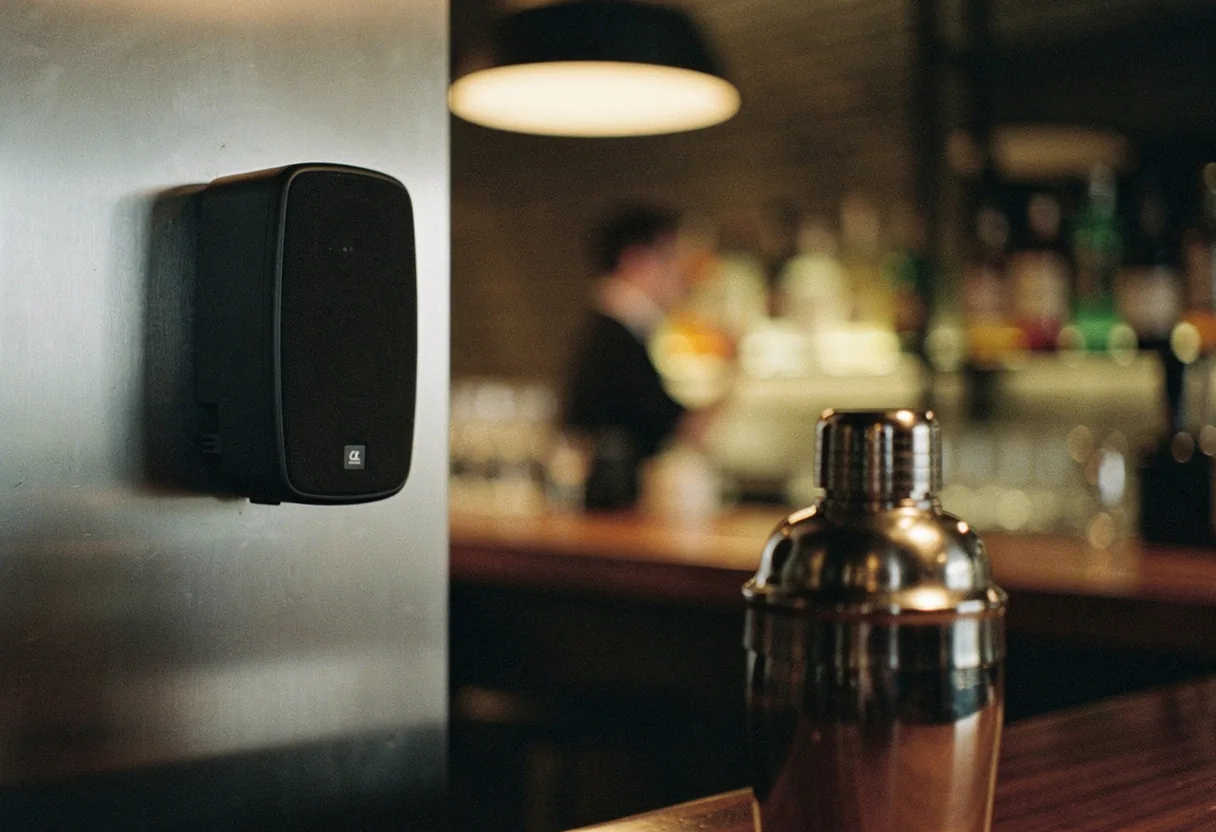
A good bar sound system balances clarity and volume. Music should be audible without drowning out conversations. Systems with zone controls allow bartenders to adjust levels in different areas, ensuring the patio isn’t blasting while the indoor seating stays comfortable.
How do ambient sounds enhance a bar's atmosphere?
Ambient sounds, like soft jazz or ocean waves, set a mood without demanding attention. These tracks mask distracting noises, like clinking glasses or nearby chatter, creating a cohesive sonic backdrop. Bars in coastal areas might use seagull calls or gentle surf for thematic cohesion.
What’s the ideal volume for bar background music?
Ideal volume varies by bar type, but a common rule is to keep music at 65-75 decibels. Louder spaces, like dance bars, may push to 85 decibels, but conversations should still be possible. Use a decibel meter to test levels during peak hours.
Can specific genres improve bar sales?
Upbeat genres like pop or electronic often increase drink orders, while slower tempos may encourage longer table occupancy. Bars in urban areas might rotate genres hourly to attract diverse crowds. Data from nightlife analytics firms suggests well-curated playlists can boost sales by up to 15%.