
soundwave sounds: Michael Reed · on 17 July 2026 · 5 min read · Last reviewed 17 July 2026
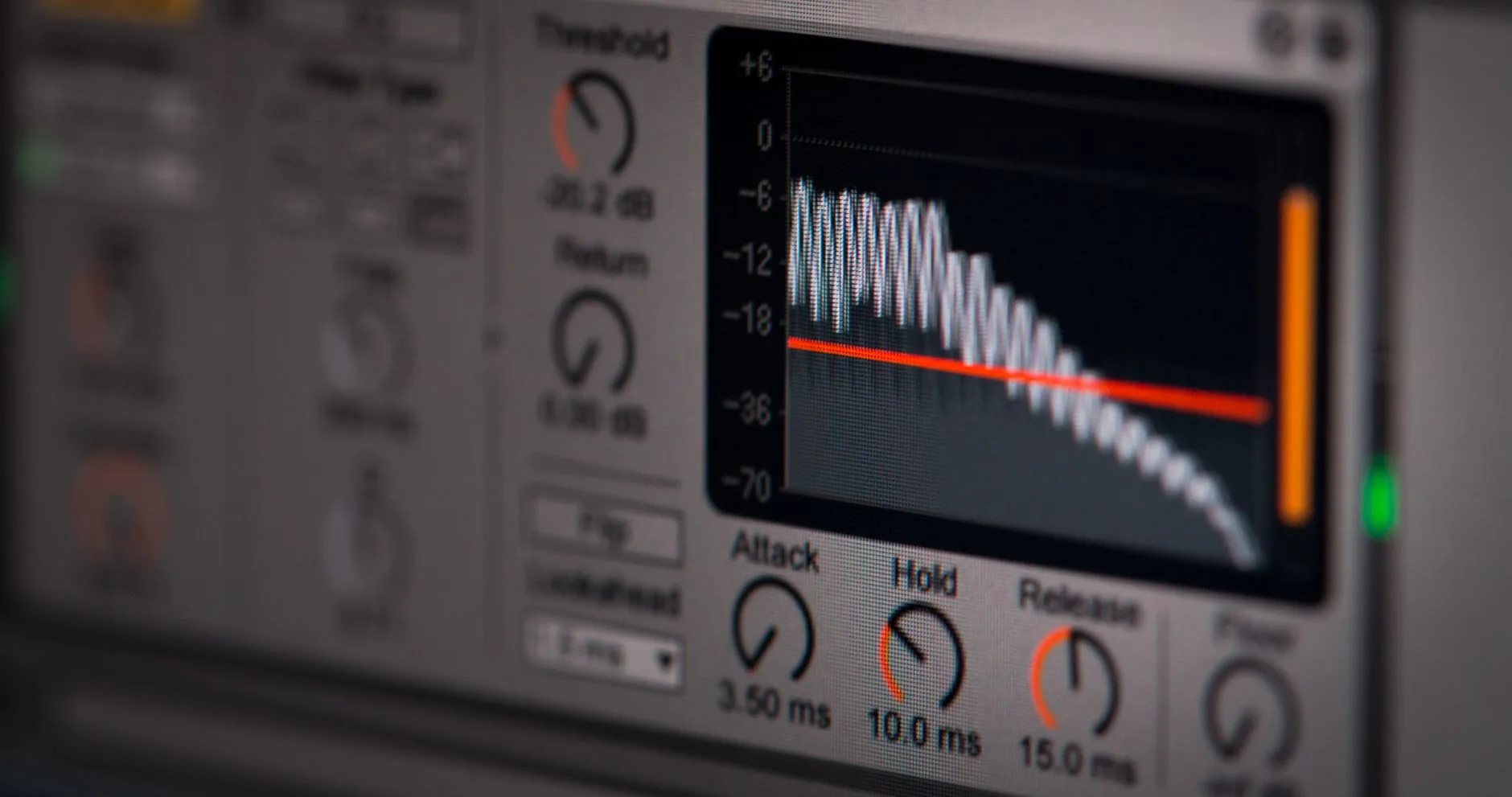
Soundwave sounds are visual representations of audio signals that show how sound waves travel through the air, often used in digital soundboards and audio libraries to analyze and manipulate audio in real time.
In plain terms: Imagine looking at the ripples in a pond after a stone is thrown in, the soundwave sounds are like those ripples, showing the pattern and intensity of the sound as it moves through the air.
Key facts
- Soundwave sounds are graphical representations of audio frequencies and amplitudes.
- Digital soundboards use these visualizations to help users edit and mix audio tracks.
- Real-time soundwave visualizations are common in music production software like Ableton Live and Logic Pro.
- According to the Audio Engineering Society, soundwave analysis is essential for professional audio engineering.
Where do I find sounds on my iPhone?
To find sounds on your iPhone, you can use the built-in Voice Memos app for recording, or access a variety of sound effects and ringtones through the Settings app under Sounds & Haptics.
In my experience, the Voice Memos app is particularly useful for capturing high-quality audio on the go. You can also download third-party apps like GarageBand from the App Store for more advanced sound editing and mixing capabilities.
| App | Purpose | Features |
|---|---|---|
| Voice Memos | Recording and saving audio | Basic recording, editing, and sharing |
| GarageBand | Music production and sound editing | Advanced audio editing, mixing, and effects |
| Ringtone Designer | Creating custom ringtones | Custom sound creation and assignment |
What are the 4 types of sounds?
The four basic types of sounds are tonal, noise, transient, and silence.
Tonal sounds are characterized by a clear pitch, like a musical note. Noise sounds lack a defined pitch and are more random, such as the sound of rain or a crowd. Transient sounds are short and sudden, like a drum hit or a clap. Silence is the absence of sound, often used in music and audio production for emphasis or effect.
| Type of Sound | Description | Examples |
|---|---|---|
| Tonal | Sounds with a clear pitch | Musical notes, tuning forks |
| Noise | Sounds without a defined pitch | Rain, wind, crowd chatter |
| Transient | Short and sudden sounds | Drum hits, claps, gunshots |
| Silence | The absence of sound | Pauses in music, quiet moments |
What are the 44 sounds of English?
The 44 sounds of English, also known as phonemes, are the distinct units of sound that make up the English language.
These sounds include vowels, consonants, and diphthongs. For example, the sound /θ/ as in “think” and /ð/ as in “this” are unique to English and can be challenging for non-native speakers. Recognizing these sounds is crucial for proper pronunciation and language learning.
Where can I find sounds?
You can find sounds in various places, including online sound libraries, digital soundboards, and audio editing software.
Websites like Freesound and SoundCloud offer a wide range of free and premium sound effects and audio clips. Additionally, digital soundboards and audio libraries within software like Ableton Live and Logic Pro provide extensive collections of sounds for music production and sound design.
- Search for free sound effects on Freesound.
- Explore premium audio clips on SoundCloud.
- Use digital soundboards within Ableton Live for music production.
- Access extensive audio libraries in Logic Pro for sound design.
How do soundboards work?
Soundboards are digital tools that allow users to play and manipulate audio clips in real time, often used for music production, sound design, and live performances.
To use a soundboard, you typically load audio files into the software, assign them to specific triggers or keys, and then play them back as needed. Advanced soundboards may offer features like effects processing, mixing, and looping, enhancing the creative possibilities for users.
What are sound effects?
Sound effects are recorded or synthesized audio clips used to enhance the audio experience in media, such as movies, video games, and podcasts.
For example, the sound of a laser beam in a sci-fi movie is often created using a combination of recorded and synthesized sounds. Sound effects can be found in online libraries like Freesound or created using audio editing software like Audacity.
How can I store and access sounds on my device?
You can store and access sounds on your device using cloud storage services, external storage devices, or built-in storage on your smartphone or computer.
Services like Google Drive and Dropbox allow you to upload and access your sound files from anywhere. Additionally, external storage devices like USB drives or SD cards can be used to transfer and store audio files.
How are sounds used in advertising?
Sounds are used in advertising to create emotional connections, enhance brand recognition, and capture the audience’s attention.
According to American Marketing Association, effective use of sound in advertising can significantly improve recall and engagement. For example, the distinctive jingle of a commercial or the sound of a product in use can make the advertisement more memorable.
How do soundboards help in personalizing content?
Soundboards help in personalizing content by allowing users to create custom audio clips and assign them to specific triggers or keys, making it easier to tailor audio experiences to individual preferences.
For instance, in a podcast or live stream, a soundboard can be used to add personalized sound effects or intros that reflect the creator’s unique style. This customization can enhance the listener’s experience and make the content more engaging.
How do soundboards measure advertising performance?
Soundboards can measure advertising performance by tracking the engagement and interaction with specific sound effects or audio clips used in advertisements.
For example, if a particular sound effect is frequently used and receives positive feedback, it can indicate that the advertisement is resonating with the audience. This data can be used to optimize future advertising campaigns and improve overall effectiveness.
Choose a soundboard for your needs
To choose a soundboard that suits your needs, consider factors like the type of projects you work on, your budget, and the features you require.
If you are a musician, you might prefer a soundboard with advanced mixing and effects capabilities, like Ableton Live. For live performances, a soundboard with real-time trigger options, such as Logic Pro, could be more suitable. For podcasting or streaming, a simple soundboard with basic sound effects might be sufficient.
Takeaway: Soundwave sounds are a powerful tool for visualizing and manipulating audio, enhancing everything from music production to advertising. By recognizing the different types of sounds and how to access and use them, you can create more engaging and effective audio experiences.
Frequently asked questions
How does Soundwave Sounds convert audio into visuals?
Soundwave Sounds uses a Fourier transform to analyze audio frequencies. It breaks down sound waves into components, mapping them to colors and shapes. For example, a 440Hz note might appear as a bright yellow wave, while a 220Hz note could show as a deeper blue shape. The software then renders these components in real time.
What hardware is needed to run Soundwave Sounds?
You need a computer with a decent GPU and a sound card. A microphone or audio input device captures the sound. For optimal performance, a system with at least 8GB RAM and a modern processor works best. Some advanced setups use multiple screens or projectors to display the visuals on a large scale.
Can Soundwave Sounds be used for live performances?
Yes, many musicians and DJs use Soundwave Sounds for live shows. The software syncs with music software like Ableton Live or Traktor. Visuals react instantly to changes in the audio, creating an immersive experience. Some artists customize the visuals to match their music’s mood or theme.
What file formats does Soundwave Sounds support?
Soundwave Sounds supports common audio formats like MP3, WAV, and AIFF. It can also process live audio input from microphones or instruments. For video output, it exports visuals as MP4 or GIF files. This flexibility makes it useful for both pre-recorded content and live visualizations.