
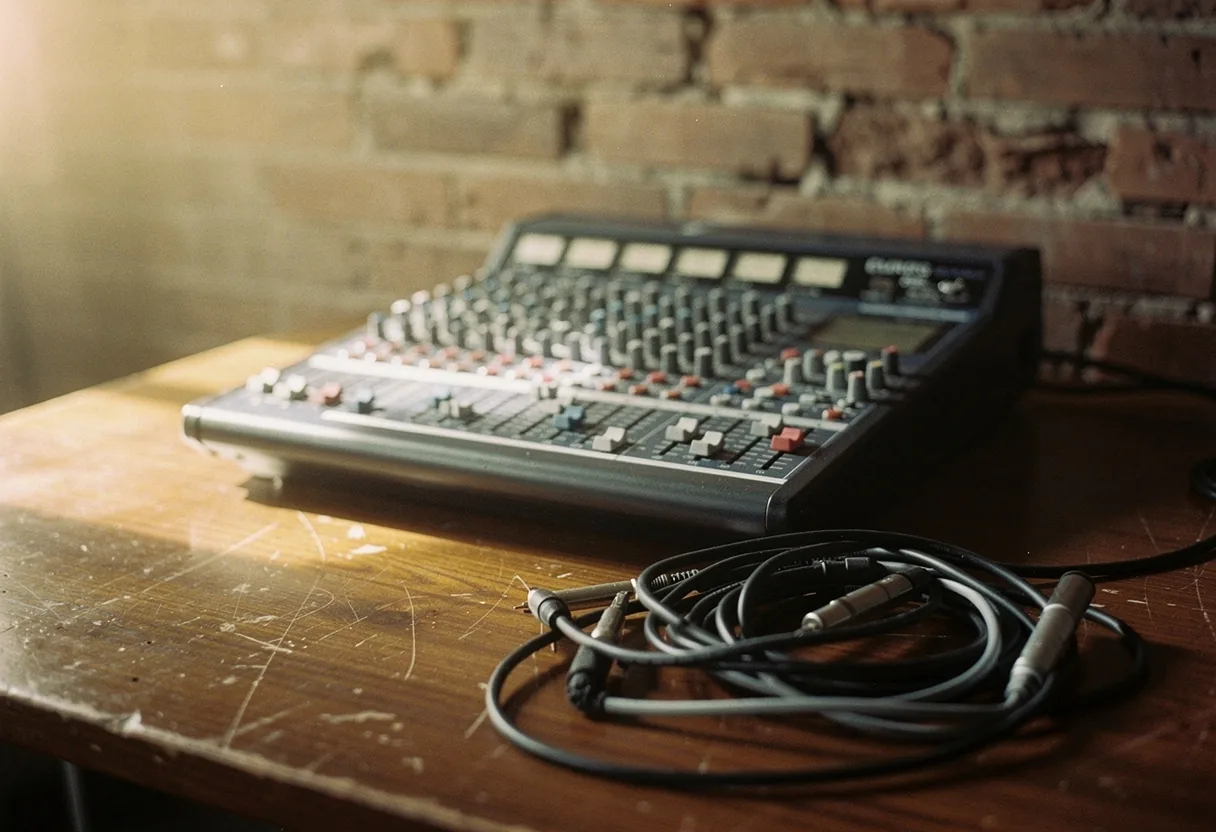
soundboards: Michael Reed · on 17 July 2026 · 10 min read · Last reviewed 17 July 2026
Soundboards are digital interfaces that allow users to play pre-recorded audio clips with the push of a button, offering an interactive way to manage and broadcast sounds for entertainment, communication, or creative projects.
In plain terms: Think of a soundboard like a DJ’s turntable, but instead of vinyl records, you have a collection of sound clips at your fingertips, ready to play on demand.
Key facts
- Soundboards can be used for streaming, gaming, podcasting, and live performances.
- They often include features like hotkeys, customizable buttons, and integration with streaming platforms.
- Popular soundboard software includes Voicemod, Clips, and Soundboard.com.
- According to Streamlabs, over 50% of streamers use soundboards to enhance their content.
What you need
- A computer or mobile device
- Soundboard software or app
- Pre-recorded audio files (MP3, WAV, etc.)
- Internet connection for cloud-based soundboards
- Optional: Microphone and headphones for real-time sound manipulation
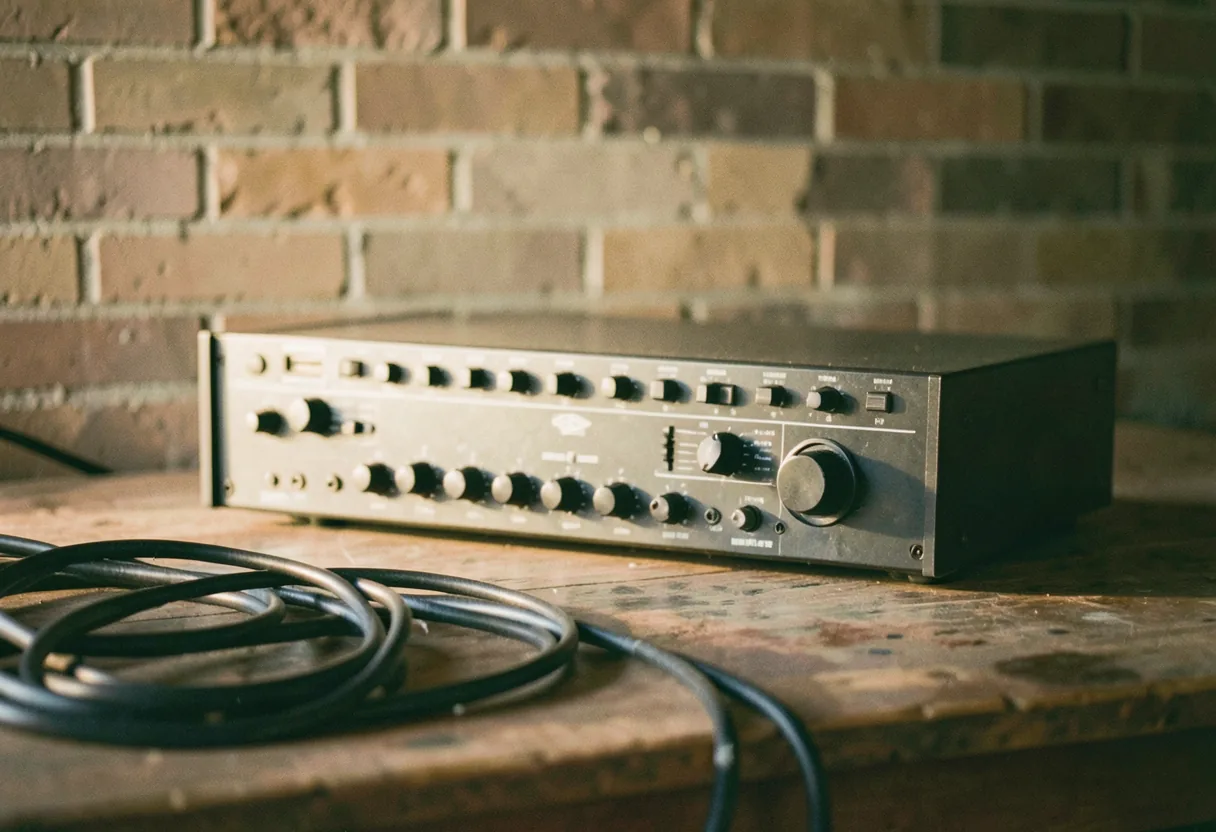
How to choose a soundboard
To choose a soundboard, first identify your primary use case, whether for streaming, gaming, or podcasting, and then compare features like customization, ease of use, and integration with your preferred platforms.
Put simply: Picking a soundboard is like choosing a toolbox; you want one with the right tools for the job, whether that’s a hammer for streaming, a screwdriver for gaming, or a wrench for podcasting.
Key facts
- Voicemod offers real-time voice modulation and soundboard features, ideal for streamers.
- Clips provides a simple interface with customizable buttons, perfect for gamers.
- Soundboard.com allows for cloud-based sound management, useful for collaborative projects.
- According to PC Gamer, the best soundboards for gaming offer low-latency playback and extensive customization options.
How to set up a soundboard
- Download and install your chosen soundboard software or app.
- Import your audio files into the soundboard library.
- Create and label buttons for each sound clip.
- Customize button sizes, colors, and layouts to suit your preferences.
- Configure hotkeys for quick access to frequently used sounds.
- Integrate the soundboard with your streaming or communication software, if applicable.
- Test each button to ensure the sounds play correctly.
- Adjust audio settings, such as volume and playback speed, as needed.
- Save your soundboard configuration for future use.
Common mistakes to avoid
To avoid common mistakes, ensure your audio files are in a compatible format, test your soundboard before going live, and regularly update your software to access the latest features and security updates.
The short version: Setting up a soundboard is like preparing for a concert; you want to make sure all your instruments are tuned, your setlist is ready, and you’ve done a soundcheck to avoid any surprises on stage.
Key facts
- Incompatible audio formats can cause playback issues, so always check the supported formats of your soundboard software.
- Regularly updating your software ensures you have the latest features and security patches.
- Testing your soundboard before going live helps identify and fix any technical issues.
- According to TechRadar, common mistakes include not backing up soundboard configurations and overlooking audio latency settings.
Where do I find sounds on my iPhone?
To find sounds on your iPhone, you can use the built-in Voice Memos app to record and save your own sounds, or download sound effects from apps like Zedge or MyTinyPhone.
Key facts
- The Voice Memos app allows you to record, trim, and save audio clips directly on your iPhone.
- Zedge offers a wide range of free sound effects and ringtones for download.
- MyTinyPhone provides customizable soundboards with a variety of audio clips.
- According to Apple Support, you can also use the Files app to access and manage audio files stored in cloud services like iCloud or Dropbox.
What are the 4 types of sounds?
The four main types of sounds are vocals, instrumental, ambient, and effects.
| Type of Sound | Description | Examples |
|---|---|---|
| Vocals | Human voices, including singing, speaking, and vocal effects. | Singing, speaking, vocal foley. |
| Instrumental | Sounds produced by musical instruments. | Guitar, piano, drums. |
| Ambient | Background sounds that create atmosphere. | Rain, wind, city noise. |
| Effects | Sound effects used in media and entertainment. | Explosions, laughter, door creaks. |
Where can I find sounds?
You can find sounds on various platforms, including FreeSound, SoundBible, and Freesound.org, which offer a wide range of free and royalty-free audio clips.
| Platform | Description | Best For |
|---|---|---|
| FreeSound | A collaborative database of Creative Commons Licensed sounds. | Professional audio projects. |
| SoundBible | A collection of free sound effects and clips. | Podcasters and content creators. |
| Freesound.org | A vast library of user-uploaded sounds under various licenses. | Independent filmmakers and musicians. |
What are the 44 sounds of English?
The 44 sounds of English, known as phonemes, are the distinct units of sound that make up spoken English. These sounds are categorized into vowels, diphthongs, and consonants.
- Vowels: /ɪ/, /ɛ/, /æ/, /ɑ/, /ɒ/, /ʊ/, /ʌ/, /ə/, /ɤ/, /ɔ/, /a/, /e/, /i/, /ɐ/, /ɒ/, /ʊ/, /u/
- Diphthongs: /eɪ/, /aɪ/, /ɔɪ/, /oʊ/, /aʊ/, /ɪə/, /eə/, /ʊə/
- Consonants: /p/, /b/, /t/, /d/, /k/, /ɡ/, /tʃ/, /dʒ/, /s/, /z/, /ʃ/, /ʒ/, /θ/, /ð/, /tr/, /dr/, /ts/, /dz/
Upon first examining the 44 sounds of English, I was amazed by the various ways letters and their combinations can be pronounced. Recognizing these sounds can significantly enhance pronunciation and language acquisition.
Sound effects
Sound effects are pre-recorded audio clips used to enhance audio and visual media. They can be found on platforms like BBC Sound Effects and Epidemic Sound.
Key facts
- BBC Sound Effects offers a vast library of free sound effects for educational and non-commercial use.
- Epidemic Sound provides high-quality sound effects and music for content creators.
- Sound effects can be used in films, videos, games, and podcasts to create immersive experiences.
- According to Wikipedia, the use of sound effects in media dates back to the early days of radio and film.
Sounds meaning
Sounds meaning refers to the interpretation and significance of different audio elements in communication and media. Understanding sounds meaning can enhance storytelling and audience engagement.
Key facts
- Sounds meaning can convey emotions, set the mood, and provide context in media.
- In language, sounds meaning is studied through phonetics and phonology.
- Sound designers use sounds meaning to create compelling audio experiences.
- According to Cambridge Dictionary, sounds meaning can vary across cultures and languages.
Sounds in English
Sounds in English are the phonetic elements that make up spoken language. They include vowels, consonants, and diphthongs, which together form the 44 sounds of English.
Key facts
- Vowels in English are produced with an open vocal tract.
- Consonants are produced with some degree of obstruction in the vocal tract.
- Diphthongs are complex vowel sounds that glide from one vowel to another.
- According to English Club, mastering sounds in English can improve pronunciation and listening skills.
Sounds free
Free refers to audio clips that are available for use without copyright restrictions. Platforms like FreeSound and SoundBible offer a wide range of free sounds.
Key facts
- FreeSound offers a collaborative database of Creative Commons Licensed sounds.
- SoundBible provides a collection of free sound effects and clips.
- Sounds free can be used in personal and commercial projects, depending on the license.
- According to Creative Commons, always check the specific license terms for each sound clip.
Sounds list
A sounds list is a compilation of various audio clips categorized by type or use. Creating a sounds list can help organize and access sounds efficiently.
| Category | Examples |
|---|---|
| Nature Sounds | Rain, birds, ocean waves. |
| Animal Sounds | Dog barks, cat meows, bird chirps. |
| Human Sounds | Laughter, applause, footsteps. |
| Mechanical Sounds | Car engines, keyboard typing, door creaks. |
Sounds mp3
MP3 format commonly stores and shares sound clips, known as mp3 files. MP3 files are widely supported and compatible with most devices and software.
Key facts
- MP3 files are compressed to reduce file size while maintaining audio quality.
- Most soundboard software supports MP3 files for easy integration.
- MP3 files can be downloaded from various online platforms and libraries.
- According to MP3.com, MP3 is one of the most popular audio formats for digital music and sound effects.
Choose a soundboard
To choose a soundboard, consider your specific needs, such as the type of content you create, the platforms you use, and the features you require. Popular options include Voicemod, Clips, and Soundboard.com.
Key facts
- Voicemod is ideal for streamers and gamers with its real-time voice modulation features.
- Clips offers a user-friendly interface with customizable buttons, perfect for content creators.
- Soundboard.com provides cloud-based sound management, useful for collaborative projects.
- According to PCMagTop-tier soundboards provide ample customization choices and smooth operation with widely-used platforms.
Store and/or access information on a device
To store and access information on a device, use cloud services like iCloud or Google Drive to sync your soundboard configurations and audio files across multiple devices.
Key facts
- iCloud allows you to store and access files on Apple devices.
- Google Drive offers cross-platform compatibility for storing and sharing files.
- Cloud services ensure your soundboard configurations are backed up and accessible from anywhere.
- According to Apple Support, iCloud can store various file types, including audio clips and soundboard configurations.
Use limited data to select advertising
Focus on targeted advertising strategies that utilize specific user preferences and behaviors to deliver relevant ads without excessive data collection when using limited data to select advertising.
Key facts
- Targeted advertising can be more effective with less data by focusing on key user preferences.
- Limited data strategies can help protect user privacy while still delivering relevant ads.
- According to Google Ads, using limited data can improve ad performance by focusing on high-quality user interactions.
Create profiles for personalised advertising
Gather user data like browsing history, search queries, and interaction patterns to create profiles for personalized advertising and tailor ads to individual preferences.
Key facts
- Personalized advertising profiles can enhance user engagement by delivering relevant content.
- User data should be collected and used in compliance with privacy regulations like GDPR.
- According to HubSpot, personalized advertising can significantly improve ad performance and user satisfaction.
Use profiles to select personalised advertising
Analyze user data to identify patterns and preferences, then deliver ads that align with those insights to use profiles for personalized advertising.
Key facts
- Personalized advertising profiles can be created using tools like Google Analytics and Facebook Ads.
- User profiles should be regularly updated to reflect changing preferences and behaviors.
- According to Marketing Land, using profiles for personalized advertising can lead to higher conversion rates and improved user experience.
Create profiles to personalise content
Collect user data like browsing history, search queries, and interaction patterns to create profiles that personalize content.
Key facts
- Personalized content profiles can enhance user engagement by delivering relevant and interesting material.
- User data should be collected and used in compliance with privacy regulations like GDPR.
- According to Content Marketing Institute, personalized content can significantly improve user satisfaction and engagement.
Use profiles to select personalised content
Analyze user data to identify patterns and preferences, then deliver personalized content that aligns with those insights.
Key facts
- Personalized content profiles can be created using tools like Google Analytics and HubSpot.
- User profiles should be regularly updated to reflect changing preferences and behaviors.
- According to Neil Patel, using profiles for personalized content can lead to higher engagement rates and improved user experience.
Measure advertising performance
To measure advertising performance, use analytics tools like Google Analytics and Facebook Insights to track key metrics such as click-through rates, conversion rates, and user engagement.
Key facts
- Google Analytics provides detailed insights into ad performance and user behavior.
- Facebook Insights offers metrics specifically tailored to social media advertising.
- According to Search Engine Journal, measuring advertising performance is crucial for optimizing ad campaigns and improving ROI
What's the difference between a hardware and software soundboard?
Hardware soundboards are physical devices with dedicated buttons for sound clips, offering instant access and reliability. Software soundboards run on computers or mobile devices, providing flexibility and customization but requiring a stable system. Choose hardware for live events and software for streaming or recording.
How do I connect a soundboard to my streaming setup?
Connect the soundboard's output to your audio interface or mixer, then route the signal to your streaming software via USB or auxiliary cable. Ensure your streaming software recognizes the soundboard as an audio input source. Test levels to avoid distortion or clipping.
Can I use a soundboard for live performances?
Yes, many hardware soundboards are designed for live use. Look for models with durable buttons, low-latency outputs, and compatibility with PA systems. Practice triggering sounds quickly and ensure your setup is reliable to avoid technical issues during performances.
What features should I prioritize when choosing a soundboard?
Prioritize sound quality, ease of use, and reliability. Consider the number of sound slots, customization options, and connectivity. For live use, prioritize durable hardware and quick-access buttons. For streaming, focus on software compatibility and low-latency performance.
Related Reading