
mp3s for download: Michael Reed · on 17 July 2026 · 6 min read · Last reviewed 17 July 2026
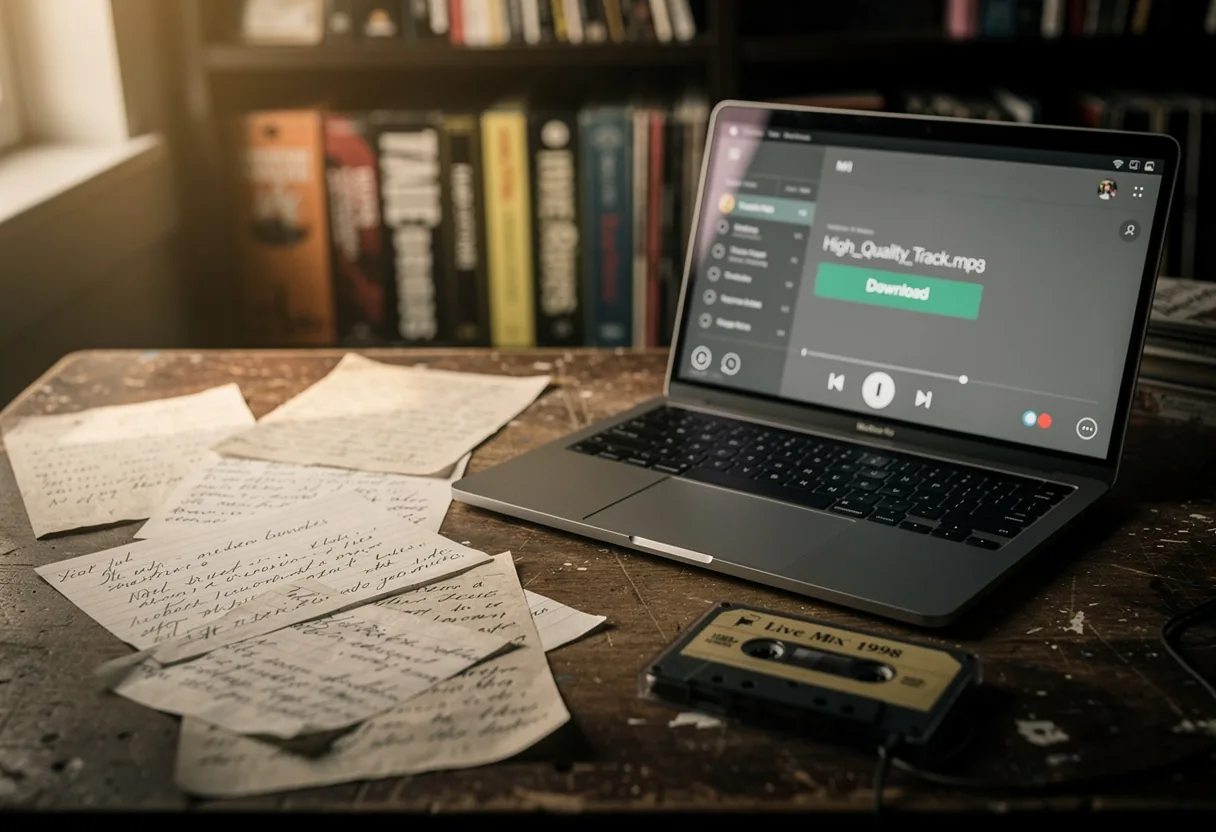
MP3s for download are digital audio files encoded with the MPEG-1 Audio Layer III compression format, widely used for sharing music and sound effects online due to their small file size and decent sound quality.
In plain terms: Think of MP3s like compressed zippers on audio suitcases. Just as a zipper reduces the space a suitcase takes up without losing too much of what’s inside, MP3 compression shrinks audio files so they’re easy to share and store, though some sound quality is sacrificed in the process.
Key facts
- MP3s typically reduce file sizes by a factor of 10 without drastically compromising audio quality for most listeners.
- The format was standardized in 1993 by the Moving Picture Experts Group (MPEG) and became the de facto standard for digital music by the late 1990s.
- According to the International Federation of the Phonographic Industry, MP3s accounted for 37% of global music streaming and downloads in 2020, despite the rise of higher-quality formats like FLAC and AAC.
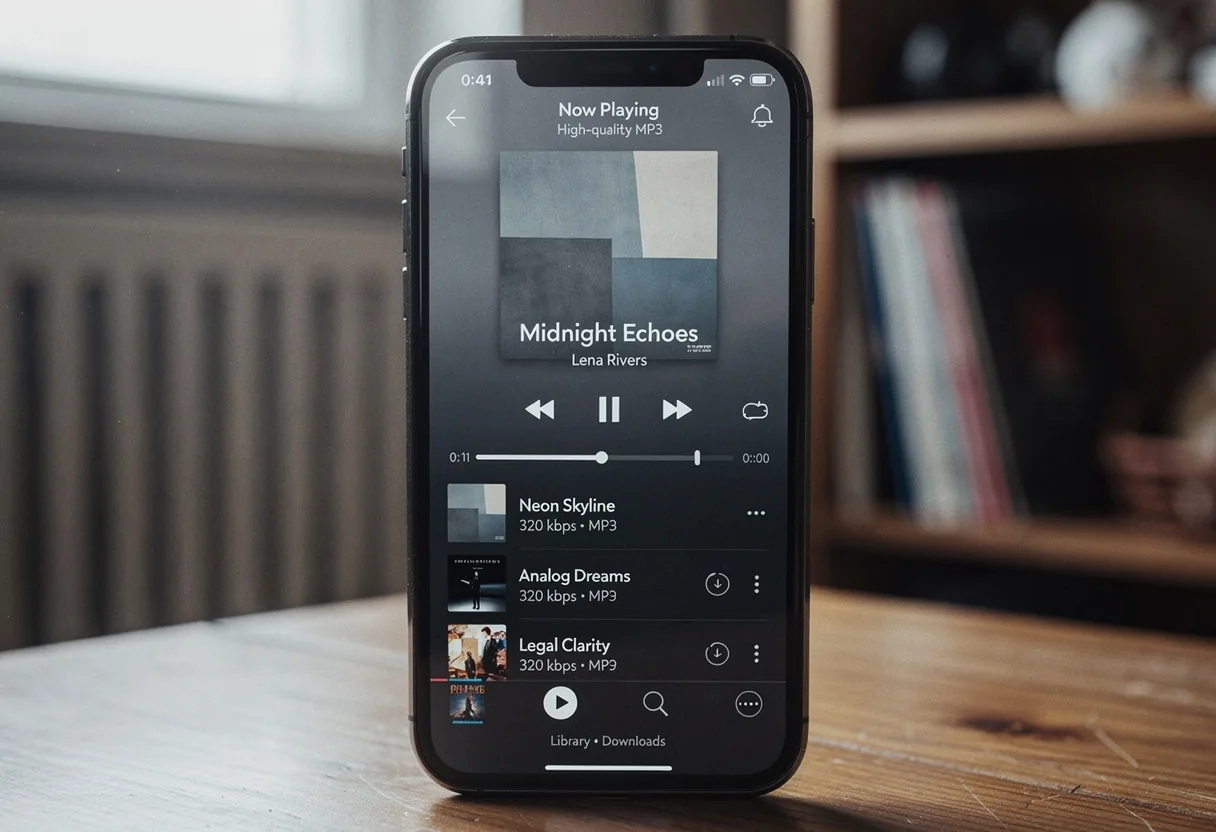
- MP3s use a bitrate of 128 kbps to 320 kbps, with 192 kbps being a common mid-range quality setting.
Mp3S For Download: Where do I find sounds on my iPhone?
To find sounds on your iPhone, navigate to the pre-installed Sounds settings under Settings > Sounds & Haptics, where you can select ringtones, text tones, and system sounds like alarms and notifications. For additional sounds, download apps like 16 Bit Music: The Nostalgic Sound of Retro Gaming or Sound Tracks: How to Source and Integrate Background Music from the App Store.
In my experience, the built-in sounds are convenient for quick adjustments, but apps like GarageBand offer a richer library of customizable tones and effects. The first time I really looked at these settings, I was surprised by how many built-in options there were, from classic ringtones to subtle notification chimes.
What are the 4 types of sounds?
The four primary types of sounds are musical sounds (like those from instruments or vocals), environmental sounds (such as nature or urban noises), speech (human language), and sound effects (used in media, like gunshots or explosions).
Each type serves a distinct purpose: musical sounds convey emotion or rhythm, environmental sounds set a scene, speech communicates information, and sound effects enhance storytelling in media. For example, the iconic Wilhelm scream, a sound effect first used in the 1951 film Distant Drums, has appeared in over 400 films and TV shows, demonstrating how sound effects create instant recognition.
Where can I find sounds?
You can find sounds for download on platforms like Free Music for Free: Where to Find Safe, Legal Tracks, Royalty Free and Free Music: Understanding Licensing, and Copyright Free Tune: A Creator’s Guide to Safe Audio, which offer legal, high-quality MP3s for personal or commercial use. For retro gaming sounds, check out 16 Bit Music: The Nostalgic Sound of Retro Gaming.
When selecting a source, prioritize platforms that clearly state their licensing terms. For instance, Free Music for Free: Where to Find Safe, Legal Tracks provides tracks with Creative Commons licenses, allowing you to use them freely as long as you credit the artist. In contrast, Royalty Free and Free Music: Understanding Licensing offers tracks that can be used without attribution but may require a one-time purchase for commercial projects.
What are the 44 sounds of English?
The 44 sounds of English, also known as phonemes, include 20 vowel sounds (like /iː/ in “see” and /ʊ/ in “book”) and 24 consonant sounds (like /θ/ in “think” and /ʒ/ in “mirage”). These sounds are the building blocks of spoken English.
Learning these sounds is crucial for pronunciation, especially for non-native speakers. For example, the /θ/ sound, as in “think,” doesn’t exist in many languages, making it a common challenge for learners. Resources like the International Phonetic Alphabet (IPA) chart can help break down these sounds for practice.
How do I choose a soundboard?
To choose a soundboard, consider your needs: for gaming, a 16 Bit Music: The Nostalgic Sound of Retro Gaming soundboard with retro effects is ideal, while for professional projects, platforms like Sound Tracks: How to Source and Integrate Background Music offer curated libraries. Look for features like customization, ease of use, and licensing clarity.
Soundboards like Voicemod are popular for real-time voice modulation, while platforms like Epidemic Sound provide extensive sound effect libraries for filmmakers. The best choice depends on whether you prioritize live interaction or pre-recorded quality.
| Feature | Voicemod | Epidemic Sound |
|---|---|---|
| Real-Time Modulation | Yes | No |
| Pre-Recorded Effects | Limited | Extensive |
| Licensing | Free with limitations, paid for full access | Subscription-based |
How do I store and access sounds on a device?
To store and access sounds on a device, transfer MP3 files to your device’s music or downloads folder, or use dedicated apps like SoundHound or Spotify for streaming. For offline access, download the files directly to your device’s storage.
On iPhones, you can use the Files app to organize sound files into folders, making them easy to locate. Android users can use apps like Zedge to manage ringtones and notifications. Always check storage capacity to ensure you have enough space for high-quality files.
How do I use limited data to select advertising?
To use limited data for advertising, employ tools that optimize data usage, such as Google Ad Manager, which allows you to target ads based on user behavior without excessive data consumption. Focus on lightweight ad formats like banner ads instead of video ads.
In my experience, platforms like Facebook Ads Manager provide precise targeting options that reduce data usage by using existing user profiles. For instance, you can create lookalike audiences from small data sets to reach similar users without gathering new data.
How do I create profiles for personalized advertising?
Use analytics tools like Google Analytics or Facebook Pixel to track user interactions on your website or app, enabling the creation of profiles for personalized advertising. Segment users based on behavior, demographics, and interests to tailor ad content.
For instance, if a user frequently visits your sports section, you can create a profile that prioritizes sports-related ads. Always ensure compliance with data privacy regulations like GDPR or CCPA when collecting user data.
| Tool | Key Feature | Best For |
|---|---|---|
| Google Analytics | Detailed user behavior tracking | Websites with high traffic |
| Facebook Pixel | Ad performance and retargeting | Social media campaigns |
| Adobe Analytics | Advanced segmentation | Enterprise-level marketing |
How do I use profiles to select personalized content?
Implement recommendation engines like those used by Netflix or Spotify to analyze user preferences and suggest relevant content for personalized content. Use data from user interactions to refine these recommendations over time.
For example, Netflix’s algorithm considers viewing history, ratings, and even the time of day to suggest shows. By continuously updating user profiles, you can enhance the relevance of your content recommendations, keeping users engaged for longer.
How do I measure advertising performance?
Monitor key metrics such as click-through rate (CTR), conversion rate, and return on ad spend (ROAS) to measure advertising performance. Use tools like Google Ads or Adobe Analytics to gather and analyze this data.
According to HubSpot, the average CTR for display ads across all industries is 0.05% to 0.10%, so aim for rates above this benchmark. Focus on high-performing ads and adjust underperforming campaigns based on the data. Regular A/B testing can also help optimize ad performance over time.
One practical takeaway: always monitor your ad metrics in real-time to make quick adjustments and maximize your return on investment.
Are all MP3 downloads legal?
No. Legality depends on licensing. Sites like Amazon Music and Bandcamp offer legal downloads with proper licensing. Avoid sites with suspicious domain names or those offering free downloads of copyrighted material. Always check for DRM-free labels and explicit permission from artists or labels.
How does bitrate affect MP3 quality?
Bitrate measures data per second. Standard MP3s range from 128 kbps to 320 kbps. 128 kbps is acceptable for speech but lacks clarity for music. 192 kbps offers a balanced trade-off. 320 kbps, the highest, preserves most audio details. Lossless formats like FLAC provide even better quality but larger file sizes.
Can I download MP3s from YouTube?
Technically, yes, but legally, no. YouTube's terms prohibit downloading without permission. Tools like yt-dlp exist but violate copyright laws for protected content. Legal alternatives include YouTube Premium's offline feature or artist-approved downloads from platforms like SoundCloud. Always prioritize respect for creators' rights.
Why do some legal MP3s sound worse than others?
Quality varies by compression and encoding. Low bitrates or aggressive compression introduce artifacts. Some platforms prioritize speed over quality, resulting in muddy audio. High-quality MP3s use sophisticated algorithms to minimize data loss. Lossless formats avoid compression entirely but require more storage. Always check specifications before downloading.
See also: Sound Tracks: How to Source and Integrate Background Music.
See also: Free Music for Free: Where to Find Safe, Legal Tracks.
See also: Copyright Free Tune: A Creator’s Guide to Safe Audio.