

free music for free: Michael Reed · on 17 July 2026 · 8 min read · Last reviewed 17 July 2026
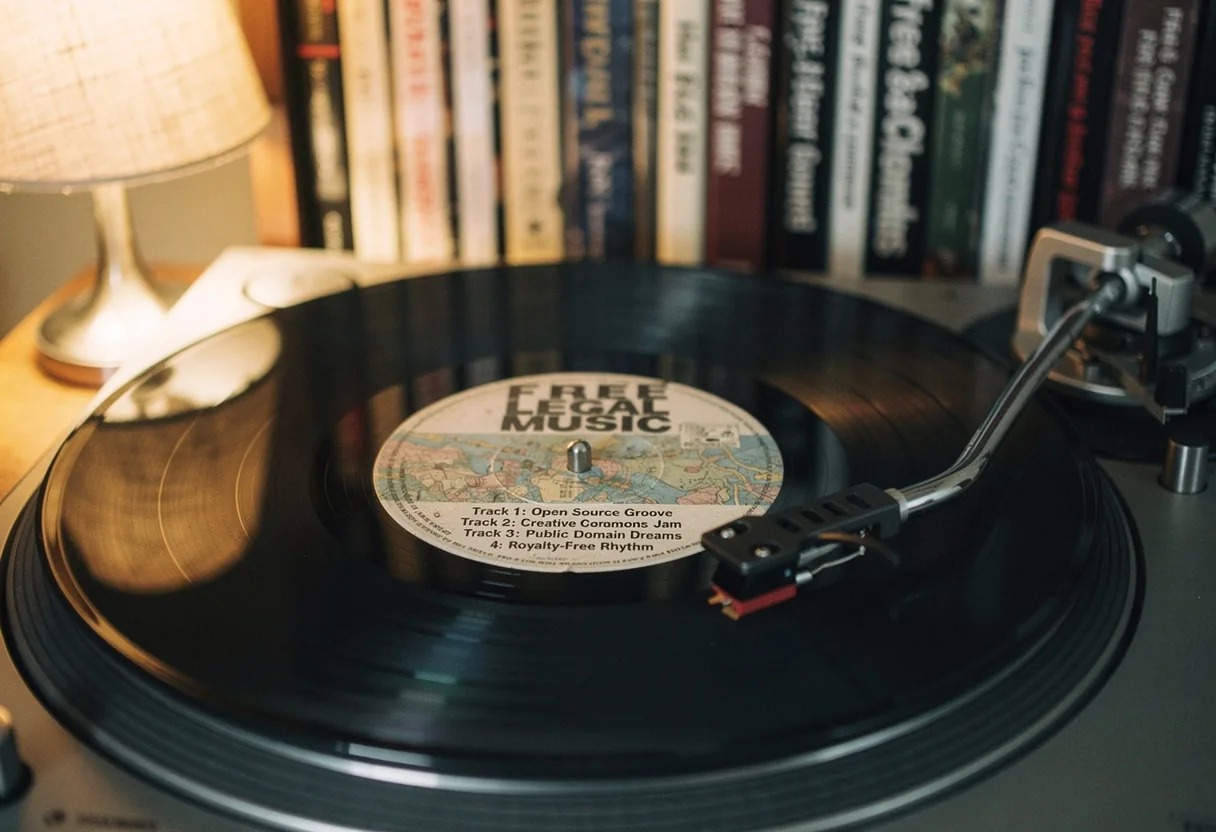
Free music for free is legal, copyright-safe audio you can use without paying royalties or licensing fees, typically found in digital soundboard and audio libraries.
In plain terms: Think of it like borrowing books from a public library instead of buying them, you get to enjoy the content without owning it or paying for access.
Key facts
- Free music for free is legally safe to use in projects, videos, and public performances without paying royalties.
- Digital soundboard and audio libraries offer a wide range of genres, from classical to electronic, often with searchable filters.
- According to the U.S. Copyright Office, works in the public domain, such as those created before 1929, are free to use without permission.
- Many platforms require attribution, so always check the licensing terms.
Free Music For Free: Where do I find sounds on my iPhone?
To find sounds on your iPhone, use built-in apps like Voice Memos for recording or third-party apps such as Zedge for downloading ringtones and alerts.
In plain terms: Your iPhone is like a mini recording studio and sound library combined. You can capture sounds on the go or download pre-made ones for ringtones and notifications.
Key facts
- The Voice Memos app lets you record sounds directly on your iPhone and save them for later use.
- Zedge offers free ringtones and alert tones that you can download and customize.
- For more advanced editing, apps like GarageBand allow you to create and mix your own sounds.
- iOS 15 and later versions support spatial audio, enhancing the immersive sound experience.
What are the 4 types of sounds?
The four main types of sounds are tone, noise, music, and speech, each serving different purposes in communication and media.
In plain terms: Imagine these as four different languages your ears understand, each one tells a different story, from the pure tone of a piano note to the chaotic noise of a crowd.
Key facts
- Tone is a pure sound with a specific pitch, like a tuning fork or a single musical note.
- Noise is a random, irregular sound, such as the hum of a fan or the rustling of leaves.
- Music is a structured combination of tones and rhythms, often created with instruments or vocals.
- Speech is the sound of human language, used for communication and expression.
Where can I find sounds?
You can find free, legal sounds on platforms like FreeSound, SoundCloud, and YouTube Audio Library, which offer a wide range of audio tracks for various uses.
These platforms function as extensive digital archives, allowing users to browse, download, and utilize sounds for their projects without copyright concerns.
Key facts
- FreeSound is a collaborative database where users share sounds under Creative Commons licenses.
- SoundCloud hosts a mix of free and paid tracks, with many artists offering their work for free download.
- YouTube Audio Library provides free music and sound effects for creators, with options for attribution or non-attribution use.
- According to Wikipedia, the FreeSound platform has over 400,000 sounds contributed by users worldwide.
What are the 44 sounds of English?
The 44 sounds of English, known as phonemes, include vowels, diphthongs, and consonants, which form the building blocks of spoken language.
Consider these as the letters of the alphabet for speech, they help us pronounce words correctly and understand each other.
Key facts
- Vowels in English include sounds like /ɑ/ (as in “father”) and /i/ (as in “see”).
- Diphthongs are combination sounds, such as /eɪ/ (as in “day”) and /oʊ/ (as in “go”).
- Consonants include sounds like /p/, /b/, /t/, /d/, /k/, and /g/, which are produced by obstructing airflow.
- The exact number of phonemes can vary slightly depending on regional accents and dialects.
How do I choose a soundboard?
To choose a soundboard, consider factors like ease of use, sound quality, and licensing terms to ensure it meets your needs.
Choosing a soundboard is akin to selecting the right tool for a job; you want something user-friendly, high-quality, and legally compliant.
Key facts
- Look for soundboards with a user-friendly interface and clear categorization of sounds.
- Ensure the sound quality is high enough for your project, whether it’s for a video, game, or podcast.
- Check the licensing terms to confirm you can use the sounds legally without paying royalties.
- Popular soundboard platforms include Soundly and AudioJungle, which offer a wide range of sounds and effects.
How do I store and access information on a device?
To store and access information on a device, use cloud storage services like Google Drive or Dropbox, which allow you to save and retrieve files from anywhere.
Storing information on a device is akin to maintaining a digital filing cabinet, allowing you to save files to the cloud and access them at any time, from any location.
Key facts
- Google Drive offers 15GB of free storage, with options to upgrade for more space.
- Dropbox provides both free and paid plans, with features like file sharing and collaboration.
- Many devices also have built-in storage options, such as the iCloud for Apple devices.
- According to Statista, as of 2023, over 1 billion people use Google Drive for their storage needs.
What are the best platforms for free music?
The best platforms for free music include Free Music Archive, Incompetech, and SoundCloud, which offer a vast library of legal, royalty-free tracks.
These platforms, in simple terms, are like treasure chests filled with music that you can use without copyright concerns.
Key facts
- Free Music Archive hosts a diverse collection of music across various genres, all available for free download.
- Incompetech, created by Kevin MacLeod, offers a large catalog of royalty-free music for use in videos and projects.
- SoundCloud features a mix of free and paid tracks, with many artists offering their work under Creative Commons licenses.
- According to Wikipedia, the Free Music Archive was launched in 2009 and has since become a popular resource for creators.
How do I use limited data to select advertising?
To use limited data to select advertising, focus on targeted ads based on user behavior and preferences, which can be more effective with less data.
Imagine fishing with a smaller net; you might not catch as many fish, but the ones you do are more likely to be what you’re looking for.
Key facts
- Targeted ads use data like browsing history and search queries to deliver more relevant advertisements.
- Platforms like Google Ads and Facebook Ads offer tools for creating targeted ad campaigns.
- According to eMarketer, targeted ads can increase conversion rates by up to 50% compared to non-targeted ads.
- Ensure compliance with data privacy regulations like GDPR and CCPA when collecting and using user data.
How do I create profiles for personalized advertising?
To create profiles for personalized advertising, collect data on user behavior, preferences, and demographics to tailor ads to individual interests.
Creating profiles for personalized advertising is akin to making a custom shopping list for each customer, allowing you to understand their preferences and offer suitable products.
Key facts
- Data collection methods include cookies, browser history, and user surveys.
- Platforms like Google Analytics and Facebook Insights provide tools for creating detailed user profiles.
- According to Statista, personalized ads can increase engagement rates by up to 70%.
- Always obtain user consent and comply with data privacy laws when collecting and using personal information.
How do I measure advertising performance?
To measure advertising performance, track metrics like click-through rates (CTR), conversion rates, and return on ad spend (ROAS) to evaluate the effectiveness of your campaigns.
Measuring advertising performance is akin to checking the scoreboard during a game; it shows whether your ads are winning or need adjustment.
Key facts
- Click-through rate (CTR) measures the percentage of users who click on an ad after seeing it.
- Conversion rate tracks the percentage of users who complete a desired action, such as making a purchase or signing up for a newsletter.
- Return on ad spend (ROAS) calculates the revenue generated for every dollar spent on advertising.
- Tools like Google Ads and Facebook Ads Manager provide detailed analytics for measuring ad performance.
| Metric | Description | Importance |
|---|---|---|
| Click-through rate (CTR) | The percentage of users who click on an ad after seeing it. | High |
| Conversion rate | The percentage of users who complete a desired action. | High |
| Return on ad spend (ROAS) | The revenue generated for every dollar spent on advertising. | High |
What are the best sound effects for videos?
The best sound effects for videos include ambient sounds, foley effects, and music stings, which enhance the viewing experience and add depth to the content.
Sound effects, in simple terms, are like spices in a recipe; they add flavor and enhance your video’s engagement.
Key facts
- Ambient sounds set the scene, such as the sound of waves crashing or birds chirping.
- Foley effects mimic real-world sounds, like footsteps or door creaks, to create a more immersive experience.
- Music stings are short musical cues used to emphasize key moments in a video.
- Popular sources for sound effects include BBC Sound Effects and Audioblocks.
| Type of Sound Effect | Example | Use Case |
|---|---|---|
| Ambient Sounds | Waves crashing | Setting the scene in a beach video |
| Foley Effects | Footsteps | Creating a realistic walking sound in a scene |
| Music Stings | Drum roll | Emphasizing a key moment in a video |
To get started with free music for free, explore platforms like FreeSound and YouTube Audio Library to find high-quality, legal tracks for your projects. Always check the licensing terms to ensure compliance and attribution requirements.
Are there reputable platforms offering completely free music?
Yes. Free Music Archive and FreeSound provide legal, free tracks. Both sites host Creative Commons-licensed works, meaning artists waive certain rights. Always check licensing terms; some require attribution.
Can I use free music commercially?
It depends. Some tracks on Jamendo or SoundCloud allow commercial use under specific licenses. Others restrict use to personal projects. Always verify licensing details before downloading. Websites like ccMixter filter tracks by usage rights.
How do I avoid malware on free music sites?
Stick to well-known platforms like Internet Archive or YouTube Audio Library. Avoid sites with excessive pop-ups or ads. Use antivirus software. Legitimate sites rarely bundle malware with downloads, but caution is key.
What genres are most common on free music platforms?
Electronic, ambient, and instrumental genres dominate free libraries. Rock and pop are less common due to licensing complexities. Classical and jazz also appear frequently, often from independent artists seeking exposure.
See also: MP3s for Download: Working through Legal and Quality Standards.
Simply put: Royalty Free and Free Music: Understanding Licensing.
Plainly stated: Copyright Free Tune: A Creator’s Guide to Safe Audio.