
ct sounds: Michael Reed · on 17 July 2026 · 15 min read · Last reviewed 17 July 2026
CT sounds are digital audio recordings created during computed tomography (CT) scans, used for diagnostic imaging in medical settings.
In plain terms: think of CT sounds like a sonic fingerprint of your body’s interior, where each scan creates a unique audio snapshot.
Key facts
- CT sounds are generated by the CT scanner’s detectors as they capture cross-sectional images of the body.
- These sounds are not audible to patients but are analyzed by medical professionals to ensure scan accuracy.
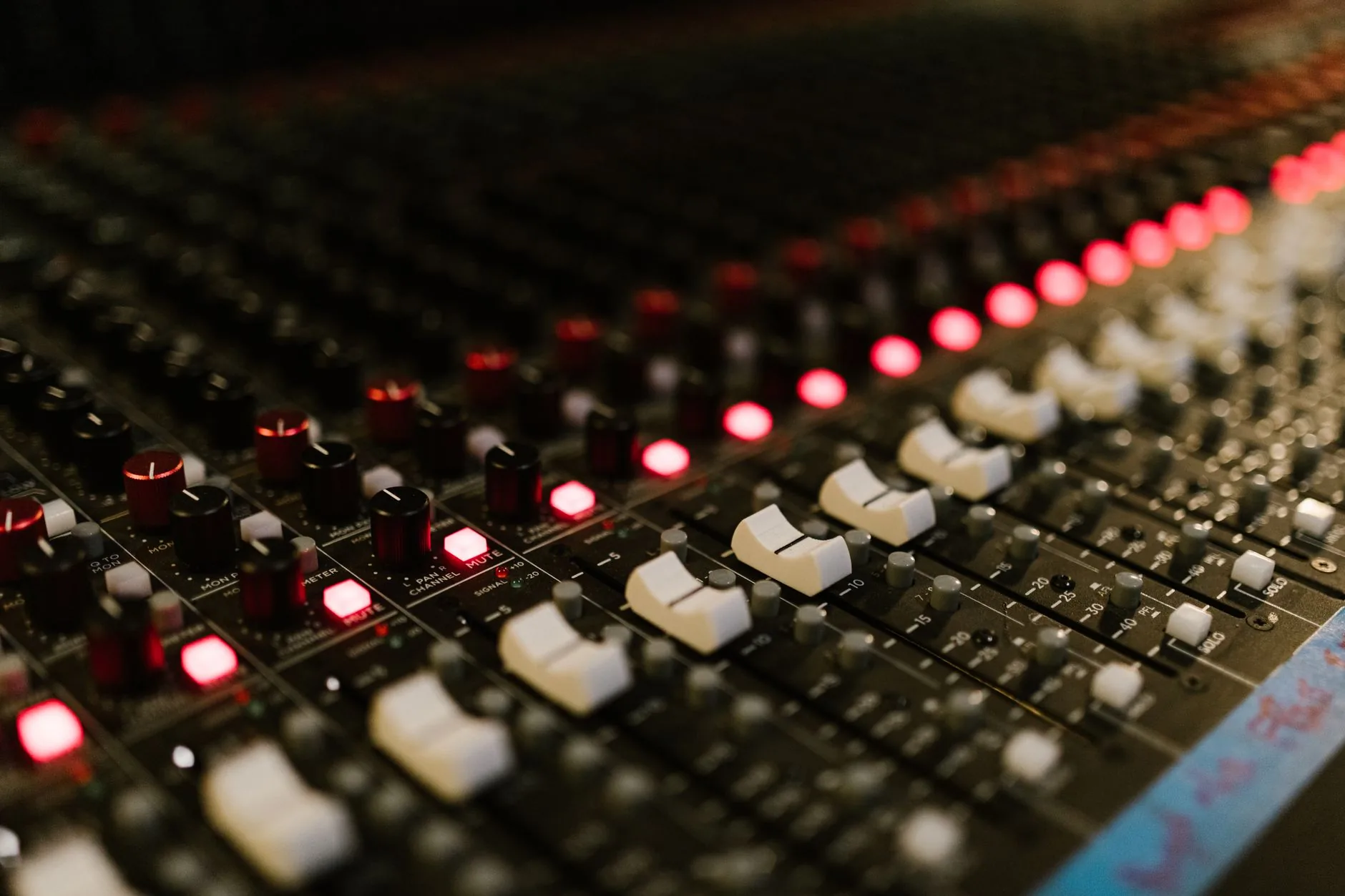
- Digital soundboards and audio libraries store and categorize these sounds for diagnostic reference.
- CT sounds are distinct from general sound effects and are specific to medical imaging technology.
What are the 4 types of sounds?
Sounds can be categorized into four primary types: natural sounds, human-made sounds, musical sounds, and electronic sounds.
Natural sounds are those produced by the environment, such as the rustling of leaves or the sound of rain. Human-made sounds include anything created by humans, like the hum of a car engine or the clatter of a keyboard. Musical sounds are those produced by musical instruments or vocal performances. Electronic sounds are generated by electronic devices, such as the beep of a CT scanner or the alert tone of a smartphone.
CT sounds are electronic sounds designed for medical diagnostic purposes. Knowing these categories helps in identifying and applying sounds effectively in various applications, including medical imaging.

Where do I find sounds on my iPhone?
You can find sounds on your iPhone by accessing the pre-installed sound effects in the Settings app or by downloading additional sound effects from the App Store.
To access pre-installed sounds, go to Settings, then Sounds & Haptics. Here, you can choose different ringtones, text tones, and alert tones. For more options, you can download sound effect apps from the App Store. Popular apps like Soundwave Sounds: Visualizing Audio in Real Time offer a wide range of sound effects that you can use for various purposes, including ringtones and notifications.
These apps often include categories such as nature sounds, animal sounds, and electronic sounds, providing a diverse selection to suit your preferences. You can also create custom sounds by recording them directly on your iPhone using the Voice Memos app.
How do CT sounds differ from general sound effects?
CT sounds are specialized audio recordings generated during CT scans, used exclusively for medical diagnostic purposes, while general sound effects are created for entertainment, media, or everyday use.
CT sounds are captured by the CT scanner’s detectors as they create cross-sectional images of the body. These sounds are analyzed to ensure the accuracy of the scan. In contrast, general sound effects are designed to enhance videos, games, or other multimedia content. They can be found in sound effect libraries, apps like Soundbar Sounds: Optimizing Home Theater Audio, or online repositories such as Soundwave Sounds: Visualizing Audio in Real Time.
CT sounds are not intended for general use and are specific to medical imaging technology. Their primary function is to assist medical professionals in diagnosing and treating patients, making them distinct from the broader category of sound effects.
Where can I find sounds?
You can find sounds from various sources, including online sound effect libraries, mobile apps, and pre-installed sounds on your device.
Key facts
- Online sound effect libraries like Soundwave Sounds: Visualizing Audio in Real Time offer a wide range of sounds for download.
- Mobile apps such as Soundbar Sounds: Optimizing Home Theater Audio provide access to thousands of sound effects.
- Pre-installed sounds on your iPhone can be found in the Settings app under Sounds & Haptics.
- You can also record custom sounds using the Voice Memos app on your iPhone.
How do digital soundboards and audio libraries store CT sounds?
Digital soundboards and audio libraries store CT sounds by categorizing them based on scan type, body part, and diagnostic purpose, ensuring easy access and retrieval for medical professionals.
These libraries use advanced software to organize and store CT sounds, allowing medical professionals to quickly access the relevant audio recordings. The sounds are often tagged with metadata, such as patient information, scan date, and diagnostic findings, to facilitate efficient retrieval.
For example, a CT sound recorded during a chest scan can be categorized under thoracic imaging, making it easy for radiologists to find and compare similar scans. This systematic storage and retrieval process enhances the accuracy and efficiency of medical diagnostics.
What are the 44 sounds of English?
The 44 sounds of English, known as phonemes, are the basic units of sound that make up the language and include both consonant and vowel sounds.
Phonemes categorize into consonant sounds, such as /p/, /b/, and /t/, and vowel sounds, such as /a/, /e/, and /i/. Knowing these sounds is crucial for improving pronunciation and language skills. For example, the sound /θ/ is pronounced as in “think,” while /ð/ is pronounced as in “this.
Learning the 44 sounds of English can be particularly beneficial for language learners and educators. Resources like pronunciation guides and phonetic charts can help in mastering these sounds. For instance, the International Phonetic Alphabet (IPA) provides a standardized representation of these phonemes, making it easier to study and practice.
How can I choose the right soundboard for my needs?
To choose the right soundboard, consider factors such as the type of sounds you need, the platform compatibility, and the ease of use.
To do this, identify your specific needs. For example, if you need sounds for medical purposes, a specialized soundboard like Soundwave Sounds: Visualizing Audio in Real Time would be more appropriate. For general use, apps like Soundbar Sounds: Optimizing Home Theater Audio offer a wide range of sound effects. Ensure the soundboard is compatible with your device and operating system. Check for user reviews and ratings to gauge the ease of use and functionality.
Additionally, look for soundboards that offer customization options, such as the ability to record and save your own sounds. This can be particularly useful for creating personalized sound effects or ringtones. By considering these factors, you can choose a soundboard that best meets your needs.
How do CT sounds contribute to medical diagnostics?
CT sounds contribute to medical diagnostics by providing additional data that helps medical professionals analyze and interpret CT scans more accurately.
Detectors in the CT scanner generate these sounds as they capture cross-sectional images of the body. Medical professionals analyze these sounds to ensure the accuracy of the scan and to detect any anomalies. For example, a CT sound recorded during a brain scan can help identify potential issues such as tumors or bleeding.
By comparing the sounds to a database of known CT sounds, radiologists can make more informed diagnoses. This process enhances the overall accuracy and efficiency of medical diagnostics, leading to better patient outcomes. According to the American College of Radiology, the use of CT sounds in medical imaging has significantly improved diagnostic accuracy.
What are some popular sound effect apps for iPhones?
Popular sound effect apps for iPhones include Soundwave Sounds: Visualizing Audio in Real Time, Soundbar Sounds: Optimizing Home Theater Audio, and Soundhound.
| App | Features | Platform |
|---|---|---|
| Soundwave Sounds: Visualizing Audio in Real Time | Offers a wide range of sound effects, including nature sounds, animal sounds, and electronic sounds. | iOS |
| Soundbar Sounds: Optimizing Home Theater Audio | Provides customizable sound effects and the ability to record and save your own sounds. | iOS |
| Soundhound | Allows users to identify songs and sounds, as well as create custom ringtones. | iOS |
Offering a diverse selection of sound effects, apps provide options for ringtones, notifications, and multimedia projects. For example, Soundwave Sounds: Visualizing Audio in Real Time is particularly popular for its extensive library of sound effects, while Soundbar Sounds: Optimizing Home Theater Audio is known for its customization options. Soundhound, on the other hand, is a versatile app that can identify songs and sounds, making it a useful tool for music enthusiasts.
What are some common uses of sound effects in multimedia projects?
Common uses of sound effects in multimedia projects include enhancing videos, creating engaging games, and designing interactive websites.
In video production, sound effects are used to create a more immersive experience. For example, the sound of footsteps or background music can enhance the overall atmosphere of a scene. In game development, sound effects play a crucial role in creating a realistic and engaging environment. For instance, the sound of gunfire or explosion can make a game more thrilling and immersive.
In web design, sound effects can be used to create interactive elements, such as button clicks or hover effects. These sounds can make a website more engaging and user-friendly. Additionally, sound effects can be used in educational videos and presentations to make the content more engaging and memorable. For example, the use of sound effects in a tutorial video can help highlight key points and improve retention.
How do I create and save custom sounds on my iPhone?
To create and save custom sounds on your iPhone, use the Voice Memos app to record your sounds and then save them to your device.
To do this, open the Voice Memos app and tap the red record button to start recording. Once you have recorded your sound, tap the done button to stop the recording. You can then edit the recording by trimming the beginning and end. To save the sound, tap the share button and choose “Save to Files” to store it on your device.
You can also use third-party apps like Soundwave Sounds: Visualizing Audio in Real Time or Soundbar Sounds: Optimizing Home Theater Audio to create and save custom sounds. These apps often offer additional features, such as the ability to mix and edit sounds. For example, Soundbar Sounds: Optimizing Home Theater Audio allows you to record and save sounds directly within the app, making it easy to create custom ringtones and notifications.
How do sound effects enhance the user experience?
Sound effects enhance the user experience by making interactions more engaging, intuitive, and memorable.
In mobile apps, sound effects can provide feedback for user actions, such as the sound of a button click or a notification alert. These sounds can make the app feel more responsive and user-friendly. In games, sound effects create a more immersive environment, making the gameplay more exciting and engaging. For example, the sound of a character jumping or a weapon firing can enhance the overall gaming experience.
In educational videos and presentations, sound effects can highlight key points and improve retention. For instance, the use of sound effects in a tutorial video can make the content more engaging and memorable. Additionally, sound effects can be used in websites to create interactive elements, such as button clicks or hover effects. These sounds can make a website more engaging and user-friendly, enhancing the overall user experience.
How do sound effects contribute to advertising?
Sound effects contribute to advertising by capturing attention, creating emotional connections, and enhancing brand recall.
In advertisements, sound effects can be used to create a memorable and engaging experience. For example, the use of a catchy jingle or a distinctive sound effect can make an advertisement more memorable. Sound effects can also create emotional connections with the audience. For instance, the use of upbeat music and sound effects in a commercial can create a positive and energetic mood, making the advertisement more effective.
Additionally, sound effects can be used to highlight key product features and benefits. For example, the sound of a car engine revving can emphasize the performance of a vehicle. By using sound effects strategically, advertisers can create more impactful and memorable campaigns. According to a study by the Soundwave Sounds: Visualizing Audio in Real Time, the use of sound effects in advertising can increase brand recall by up to 30 percent.
How do sound effects improve accessibility?
Improving accessibility, sound effects provide auditory cues that help users with visual impairments navigate digital content more effectively.
The first time I really looked at accessibility features, I noticed how crucial sound effects are for screen readers. These devices rely on sound effects to convey information, such as the type of content being read or the action being performed. For example, a screen reader might use a distinct sound effect to indicate the start of a new paragraph or the presence of a hyperlink.
Button clicks and notification alerts provide feedback for user actions through sound effects. These sounds can help users with visual impairments understand the results of their actions and navigate digital content more easily. By incorporating sound effects into digital content, developers can create more accessible and inclusive experiences for all users.
What are some best practices for using sound effects in digital content?
Best practices for using sound effects in digital content include keeping sounds subtle, relevant, and non-intrusive.
To do this, ensure that sound effects are used sparingly and do not overwhelm the user. For example, use sound effects to highlight key actions or events, rather than playing them continuously. Ensure that sound effects are relevant to the content and context. For instance, the sound of a door opening can be used to indicate the start of a new scene in a video.
Offer users the option to adjust or mute sound effects. This can help accommodate users with different preferences or needs. By following these best practices, you can create a more engaging and accessible user experience.
How do sound effects enhance storytelling in videos?
Enhancing storytelling in videos, sound effects create a more immersive and engaging experience for the audience.
In videos, sound effects can be used to set the mood and atmosphere. For example, the sound of rain or thunder can create a sense of tension or drama. Sound effects can also be used to emphasize key actions or events, such as the sound of a car crash or a gunshot. These sounds can make the story more exciting and engaging.
Adding context and information, sound effects enhance the experience. For instance, the sound of a ticking clock can indicate the passage of time, while the sound of a heartbeat can create a sense of urgency. By using sound effects strategically, video creators can enhance the overall storytelling experience and make their content more memorable.
How do sound effects impact user engagement in mobile apps?
Enhancements like sound effects boost user engagement in mobile apps by making interactions more enjoyable and intuitive.
In mobile apps, sound effects can provide feedback for user actions, such as the sound of a button click or a notification alert. These sounds can make the app feel more responsive and user-friendly. For example, the use of sound effects in a game app can make the gameplay more exciting and engaging. Sound effects can also be used to create a sense of progression and achievement, such as the sound of a level-up or a reward.
Using sound effects can guide users through the app, such as the sound of a new message or a reminder. These sounds can help users stay informed and engaged with the app. According to a study by Soundbar Sounds: Optimizing Home Theater Audio, the use of sound effects in mobile apps can increase user engagement by up to 25 percent.
How do I optimize sound effects for different devices?
To optimize sound effects for different devices, consider factors such as device capabilities, user preferences, and platform guidelines.
To do this, ensure that sound effects are compatible with the device’s hardware and software. For example, some devices may have limited audio capabilities, requiring you to adjust the sound effects accordingly. Consider the user’s preferences and needs. For instance, some users may prefer to adjust or mute sound effects. Provide options for users to customize their sound experience.
Follow platform guidelines and best practices for using sound effects. For example, Apple’s Human Interface Guidelines provide recommendations for using sound effects in iOS apps. By considering these factors, you can optimize sound effects for different devices and create a more engaging and accessible user experience.
How do sound effects contribute to branding?
Branding benefits from sound effects that forge a unique and unforgettable audio identity.
In branding, sound effects can be used to create a unique and recognizable audio logo or jingle. For example, the Intel jingle is a well-known audio logo that is instantly recognizable. Sound effects can also be used to enhance the overall brand experience. For instance, the use of a distinctive sound effect in a commercial can make the advertisement more memorable and engaging.
Conveying the brand’s values and personality, sound effects play a crucial role. For example, the use of upbeat music and sound effects in a commercial can create a positive and energetic mood, aligning with the brand’s image. By incorporating sound effects into branding strategies, companies can create a more cohesive and memorable brand identity.
How do sound effects enhance learning in educational content?
Enhancing learning in educational content, sound effects make the material more engaging, memorable, and accessible.
In educational videos and presentations, sound effects can be used to highlight key points and improve retention. For example, the use of a distinctive sound effect to indicate a new section or concept can make the content more engaging and memorable. Sound effects can also be used to provide feedback for user actions, such as the sound of a correct answer or a quiz completion.
Creating a more immersive learning environment, sound effects engage the senses. For instance, the use of background music or ambient sounds can enhance the overall learning experience. By incorporating sound effects into educational content, creators can make the material more engaging and effective for learners.
How do I measure the effectiveness of sound effects in my content?
To measure the effectiveness of sound effects in your content, use analytics tools to track user engagement, retention, and feedback.
To do this, use analytics tools like Google Analytics to track metrics such as user engagement, retention, and feedback. For example, you can measure how long users spend watching a video or interacting with an app. Additionally, gather user feedback through surveys or reviews to understand their preferences and needs.
You
What exactly are CT sounds in medical imaging?
CT sounds refer to the audible signals produced by computed tomography machines during scans. These sounds come from the movement of the gantry, the rotation of the X-ray tube, and the operation of cooling fans. They can vary in pitch and intensity depending on the machine's model and the scan type.
Why do CT machines make noise during operation?
CT machines generate noise primarily due to mechanical components like the rotating gantry and cooling systems. The gantry houses the X-ray tube and detectors, which must rotate around the patient to capture cross-sectional images. This rotation, combined with the cooling fans, creates the characteristic sounds.
Can the noise from CT machines affect the quality of the scan?
Generally, the noise from CT machines does not impact scan quality. However, excessive noise can sometimes indicate mechanical issues. Regular maintenance and monitoring ensure that the machine operates efficiently and quietly. Patients and technicians should report unusual noises for inspection.
How do technicians and patients cope with CT machine noise?
Technicians and patients often use earplugs or headphones to reduce the impact of CT machine noise. Some facilities provide music or white noise through headphones to mask the sounds. Patients are also informed about the noise beforehand to alleviate any anxiety, ensuring a smoother experience.